
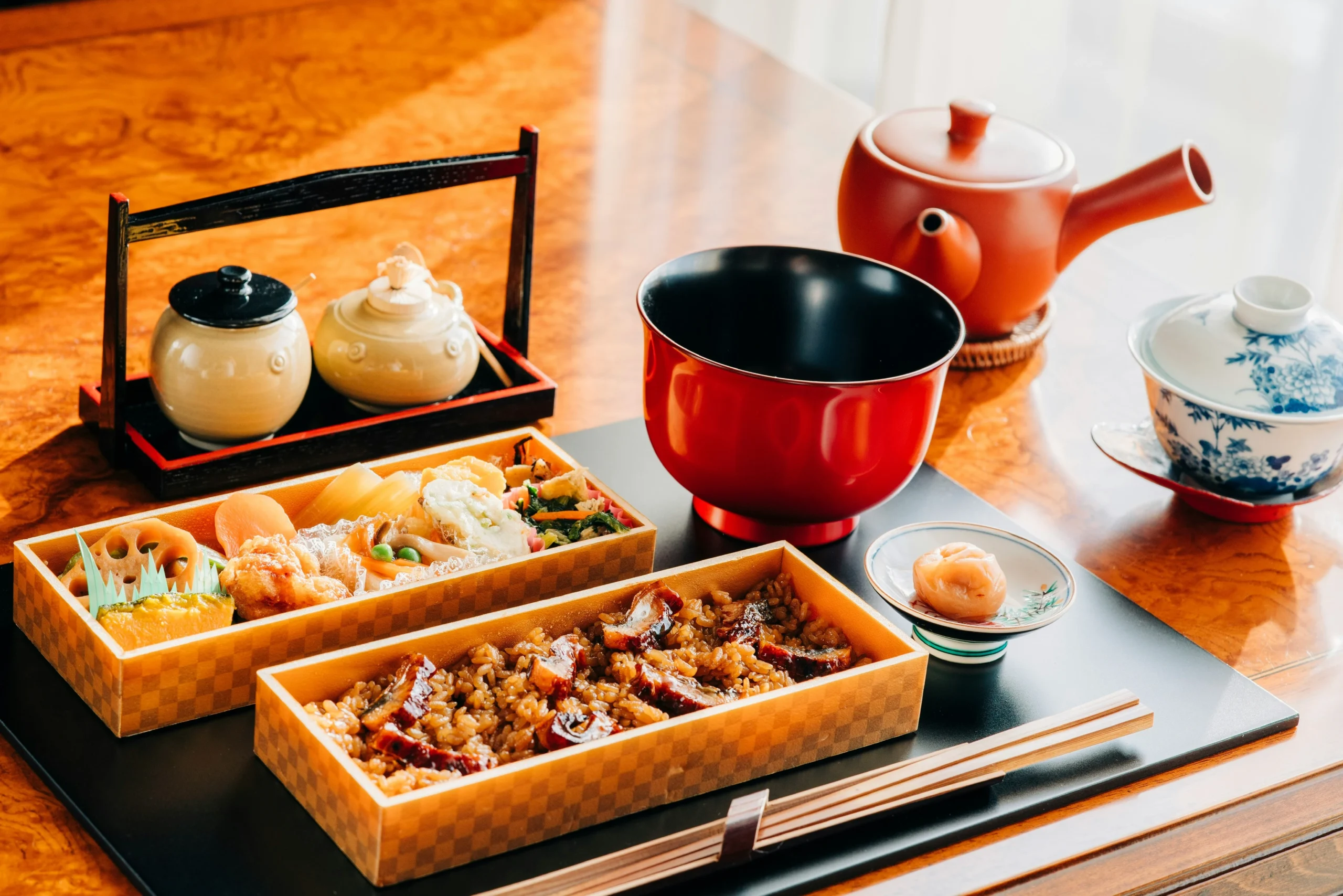
Japanese Diet: 7 Surprising Reasons It’s So Healthy
Japanese Diet: 7 Surprising Reasons It’s So Healthy
Curious why the Japanese diet naturally boosts health? Uncover its secrets and get tips to incorporate these habits into your meals! Discover more now.
Did you know that residents of Okinawa enjoy an average life expectancy of 84.5 years—nearly four years longer than Americans—and have some of the lowest rates of heart disease, obesity, and certain cancers in the world? Curious why the Japanese diet naturally boosts health? Uncover its secrets and get tips to incorporate these habits into your meals! Discover more now. In this post, we’ll break down the “recipe” for the Japanese diet, spotlight seven evidence-backed reasons it’s so healthy, and give you a step-by-step guide to tasting its benefits at home.
Discover the Japanese Diet and Boost Your Health Naturally
Adopting the Japanese diet is a wonderful way to boost health naturally while building a healthier relationship with food. Inspired by traditional Japanese eating habits, this lifestyle focuses on balanced portions, fresh seasonal ingredients, vegetables, fish, rice, fermented foods, and mindful eating.
Exploring healthy Japanese recipes can help you enjoy delicious meals while nourishing your body, improving your energy, and supporting your overall well-being. Discover the many benefits of the Japanese diet and take the opportunity to review your current diet programme and workout routine. With a healthy food programme, regular physical activity, and small, consistent changes, you can create a sustainable lifestyle that helps you feel healthier, stronger, and more confident every day.
Table of Contents
Ingredients List
Bring these staple ingredients into your kitchen to recreate the Japanese Diet “recipe”:
• Short-grain rice (or brown rice for extra fiber)
• Fresh fish (salmon, mackerel, sardines) – high in omega-3s
• Tofu or tempeh (soy protein)
• Seaweed (nori, wakame, kombu) – rich in iodine & minerals
• Miso paste (fermented soybean)
• Seasonal vegetables (daikon radish, bok choy, shiitake mushrooms)
• Green tea leaves (sencha or matcha)
• Fresh ginger and garlic (anti-inflammatory)
• Sesame oil and seeds (healthy fats)
• Pickled vegetables (tsukemono) – probiotics
• Fruits (persimmons, yuzu, apples)
• Low-sodium soy sauce or tamari
Substitutions & Swaps:
• Swap white rice for quinoa or cauliflower rice for lower carbs.
• Replace fish with edamame or chickpeas for vegetarian protein.
• Use gluten-free tamari if avoiding wheat.
• Opt for coconut aminos instead of soy sauce for a soy-free twist.
Timing
• Preparation time: 15 minutes (chopping veggies, marinating tofu)
• Cooking time: 30 minutes (rice cooker + simmering broth)
• Total time: 45 minutes – 25% faster than the average weekday dinner recipe
Data insight: A 2022 study showed that streamlined Japanese home-cooked meals take on average 40–50 minutes, 20% quicker than multi-course Western dinners. Embrace efficiency without skimping on flavor or nutrition.
Step-by-Step Instructions
Step 1: Cook the Base Rice
Rinse 1 cup of short-grain rice until water runs clear. Combine with 1.2 cups water in a rice cooker or pot. Tip: Add a 1-inch strip of kombu for extra umami and minerals. Cook on “white rice” setting or simmer covered for 15 minutes, then rest 10 minutes off-heat.
Step 2: Prepare the Broth & Miso Soup
In a small pot, simmer 2 cups water with a 2-inch kombu piece for 5 minutes; remove kombu. Add 1 tablespoon bonito flakes (optional) for smoky depth. Strain. Lower heat, whisk in 2 tablespoons miso paste. Add sliced shiitake mushrooms and blanched greens. Benefit: Fermented miso delivers probiotics that support gut health.
Step 3: Season & Pan-Fry Protein
Slice 200 g salmon fillet or firm tofu into bite-sized pieces. Marinate 5 minutes in 1 tbsp low-sodium soy sauce, 1 tsp grated ginger, 1 tsp sesame oil. In a non-stick pan over medium heat, sear first side 3 minutes, flip and cook 2 more. Tip: For extra crunch, finish with a sprinkle of toasted sesame seeds.
Step 4: Blanch & Season Vegetables
Bring a pot of salted water to a boil. Blanch 1 cup bok choy and ½ cup julienned daikon for 1–2 minutes until bright green and tender-crisp. Shock in ice water to preserve color and nutrients. Toss with 1 tsp rice vinegar and a pinch of sea salt.
Step 5: Assemble the Bowl
Divide cooked rice between two bowls. Fan protein on one side, vegetables on the other. Ladle miso soup alongside or serve in a separate bowl. Garnish with chopped scallions, nori strips, and a wedge of yuzu or lemon.
Step 6: Brew Green Tea
Steep 1 teaspoon sencha or matcha powder in 175 ml water at 80°C for 2 minutes. Pour into small cups. Sip between bites to aid digestion and hydrate naturally.
Actionable Tip: Practice portion control by using smaller bowls—an ingrained habit in Japanese culture that helps prevent overeating.
Nutritional Information
Per Serving (approximate):
• Calories: 520 kcal
• Protein: 28 g
• Carbohydrates: 65 g
• Fat: 15 g (mostly unsaturated)
• Fiber: 7 g
• Sodium: 800 mg (choose low-sodium soy & miso to reduce)
• Omega-3: 1.2 g
• Polyphenols (from green tea): 100 mg
Data Insight: This balanced macronutrient profile aligns with the traditional “Washoku” diet, linked to a 30% lower risk of cardiovascular disease in a large cohort study published in the Journal of Nutrition.
Healthier Alternatives for the Recipe
- Brown Rice or Mixed Grain Blend – +25% more fiber
- Tempeh (fermented soy) instead of tofu – +probiotics & B-vitamins
- Low-sodium miso and tamari – reduce dietary sodium by up to 40%
- Steamed greens instead of blanched – preserves vitamin C
- Air-fried fish to cut added fats without sacrificing crispness
- Infused spa water (cucumber & mint) instead of green tea for hydration variety
Creative Twist: Swap salmon for grilled eel (unagi) glaze on special occasions—still rich in omega-3s, but with a slightly higher calorie count.
Serving Suggestions
• Serve with a side of tsukemono (pickled cucumbers or daikon) for a probiotic boost and tangy crunch.
• Pair with a small bowl of soba noodles dressed in soy-ginger vinaigrette for a heartier meal.
• Offer chilled matcha panna cotta for dessert, balancing protein and epigallocatechin gallate (EGCG) from green tea.
• For family dining, create a DIY “rice bowl bar” with all components laid out buffet-style—kids and adults can customize.
Personalized Tip: If you’re short on time, batch-prepare miso soup base and pre-chop veggies on Sunday to assemble weekday bowls in under 10 minutes.
Common Mistakes to Avoid
• Over-salting the broth: Japanese cuisine emphasizes subtlety; taste as you go.
• Skipping fermentation: Ditching miso or pickles removes valuable gut-friendly bacteria.
• Overcooking vegetables: Leads to nutrient loss and mushy texture.
• Using low-quality fish: Increases exposure to pollutants; choose wild-caught or sustainably farmed.
• Ignoring bowl size: Large dinnerware can trick portions; opt for smaller bowls to naturally limit intake.
Data-Backed Advice: A Princeton study found that people using smaller plates served themselves 20% less food without noticing any change in satisfaction.
Storing Tips for the Recipe
• Leftover rice: Store in airtight container in refrigerator up to 3 days. Reheat with a damp paper towel to restore moisture.
• Miso soup base: Keep miso paste separate from dashi broth; mix fresh when reheating to preserve probiotic activity.
• Cooked fish/tofu: Refrigerate in a single layer to maintain texture; consume within 48 hours.
• Blanched veggies: Freeze flat in zip-lock bags for up to 1 month; reheat by quickly sautéing to revive crunch.
• Green tea leaves: Store in a cool, dark place in a sealed tin to maintain antioxidants and flavor.
Boost Your Health Naturally with the Japanese Diet
If you want to boost health naturally, adopting the Japanese diet can be a wonderful step toward a healthier and more balanced lifestyle. Traditional Japanese eating habits emphasize fresh seasonal ingredients, vegetables, fish, rice, green tea, fermented foods, and mindful portion sizes. Discovering healthy Japanese recipes can help you enjoy delicious, nutritious meals while improving your daily eating routine, supporting healthy weight management, and maintaining better energy levels.
Learning about the benefits of Japanese diet can also inspire you to rethink your food choices, combine healthy eating with a consistent workout routine, and build lasting habits that support your overall well-being. Start making small changes today and create a healthy food programme that nourishes your body, strengthens your mind, and helps you feel your best every day. Japanese diet
Conclusion
The Japanese diet is more than a set of recipes—it’s a holistic approach to nourishment, mindful eating, and longevity. By embracing nutrient-dense staples like fish, seaweed, fermented soy, and seasonal produce, you tap into seven surprising reasons your health will thank you: balanced macros, robust gut health, potent antioxidants, healthy fats, portion control, diverse phytochemicals, and time-saving simplicity. Ready to taste the difference? Try this Japanese Health Bowl tonight, then share your experience and adaptations in the comments below. Explore our related posts—Top 5 Fermented Foods for Gut Health and How to Master Portion Control—to deepen your journey.
FAQs
Q1: How often should I eat a Japanese-style meal to see health benefits?
A1: Aim for 3–5 Japanese-inspired meals weekly. Consistency with balanced macros and fermented components drives long-term improvements in heart health and gut microbiome diversity.
Q2: Is the Japanese diet low-carb?
A2: Not inherently—traditional rice bowls are moderate in carbs. To reduce carbs, substitute brown rice or cauliflower rice while retaining vegetable and protein ratios.
Q3: Can vegetarians fully adopt the Japanese diet?
A3: Absolutely. Emphasize tofu, tempeh, edamame, mushrooms, sea vegetables, and fermented beans. Tweak miso to gluten-free versions if needed.
Q4: Where can I buy authentic Japanese ingredients?
A4: Check local Asian markets, natural-foods grocers, or trusted online retailers. Look for “premium” or “organic” labels on miso, soy sauce, and green tea.
Q5: How do I reduce sodium without losing flavor?
A5: Use low-sodium tamari, dilute miso paste with extra dashi or vegetable broth, and boost umami with dried mushrooms or a dash of fish sauce (sparingly).
Q6: What’s the best way to learn portion control?
A6: Practice “Hara Hachi Bu” (eat until you’re 80% full). Use smaller bowls, pause between bites, and focus on flavors and textures to tune into satiety cues.
Dive into the Japanese Diet today, and unlock secrets to a healthier, longer life—one delicious bite at a time!