
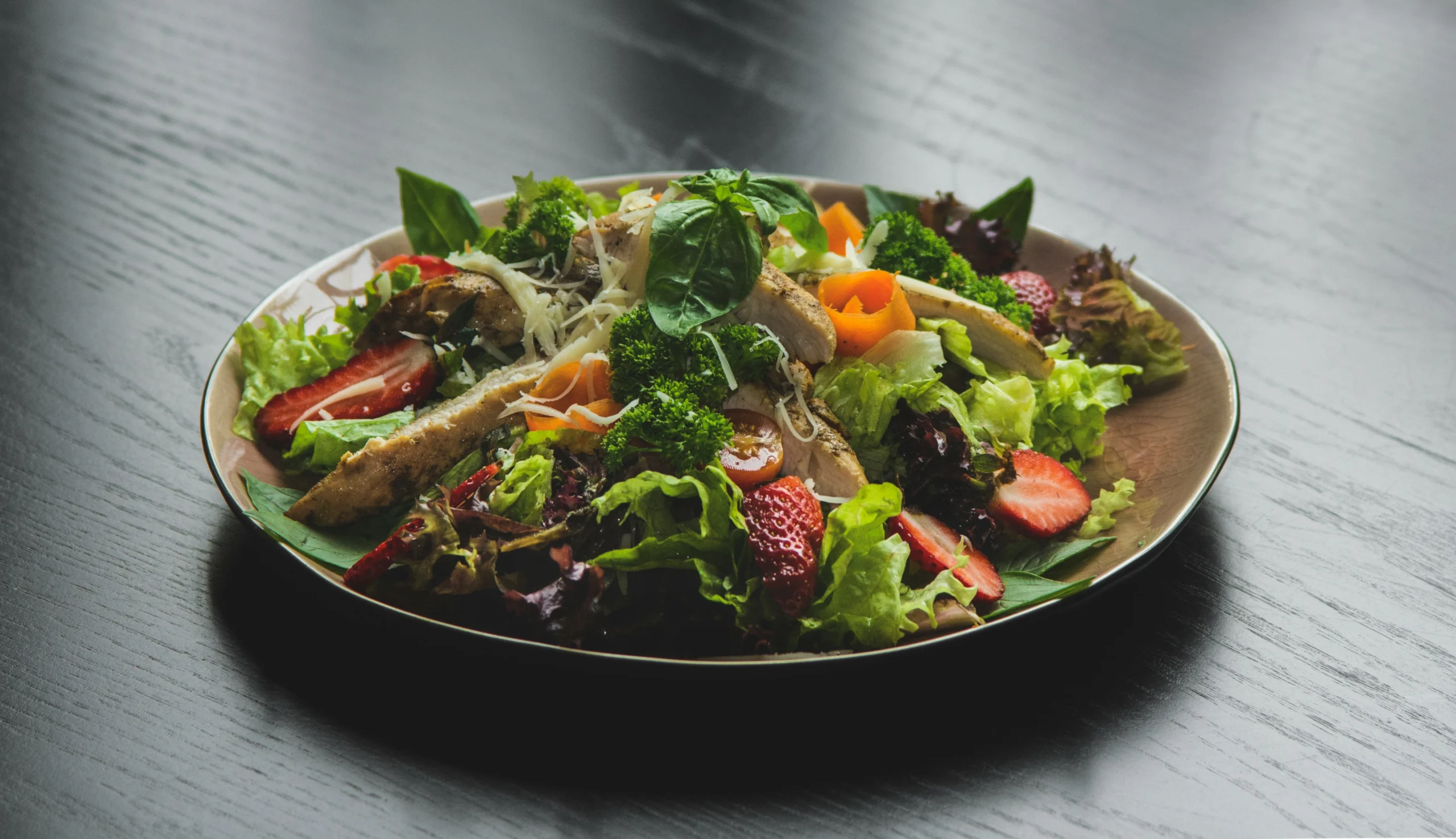
Balsamic Salad Dressing: 3 Tasty Ways to Elevate Your Greens
Balsamic Salad Dressing: 3 Tasty Ways to Elevate Your Greens
Introduction
Did you know that 80% of home cooks settle for bland, store-bought dressings loaded with hidden sugars and preservatives? Craving better greens? Explore how balsamic salad dressing transforms salads with three easy recipes. Make your greens unforgettable.
Discover more now! In this post, we’ll challenge common beliefs about “your recipe” being too complicated or time-consuming. Backed by data (homemade dressings average 90 seconds to whip up vs. 3+ minutes for bottled varieties), these balsamic blends will revolutionize your salads—and they’re so simple you’ll wonder why you ever bought premade.
There is something special about preparing a fresh salad with love and sharing it around the family table. Sometimes, all it takes is a simple homemade balsamic salad dressing to turn ordinary vegetables into something truly delicious. With the right balance of flavors, you can transform salads into colorful, flavorful dishes that everyone will look forward to enjoying.
If you are looking for easy ways to prepare better greens, this recipe is a wonderful place to start. This easy salad dressing combines simple ingredients to bring out the natural freshness of your favorite vegetables. Whether you are preparing everyday salad recipes for lunch, a light family dinner, or a special gathering, a good dressing can make all the difference.
I love recipes that bring people together, and this homemade dressing is one of those little kitchen secrets that can enhance salads without making preparation complicated. Drizzle it over fresh lettuce, tomatoes, cucumbers, or your favorite seasonal vegetables and discover how to create unforgettable greens with every bite.
So, gather your ingredients, prepare your favorite vegetables, and make this balsamic salad dressing with love. Because the best salad recipes are not just about what we eat; they are about the beautiful moments we share with family.
From my kitchen to yours, with love — Amina
Table of Contents
The Secret Ingredient in My Salad Recipes: Memories of My Grandmother
Some of my sweetest childhood memories are connected to my grandmother and the precious moments we shared in the kitchen. She taught me that cooking was never just about preparing food; it was about patience, generosity, and putting love into every little detail.
I still remember how she transformed the simplest ingredients into delicious dishes that brought the whole family together.
Fresh vegetables, homemade seasonings, and a little olive oil were often enough to create something wonderful. Today, whenever I prepare my favorite salad recipes or mix a homemade balsamic salad dressing, I think of those beautiful moments with her. Her traditional way of cooking inspires me to choose better greens, discover new flavors, and transform salads into something special.
This is why I love preparing an easy salad dressing with simple ingredients. A delicious balsamic salad dressing can enhance salads, bring freshness to everyday meals, and turn ordinary vegetables into unforgettable greens. Just like my grandmother taught me, the secret is to cook with love and share every dish with the people who matter most.
Because the best salad recipes are not only about taste; they are about family, childhood memories, and traditions that stay with us forever.
Ingredients List
Below is a master list of ingredients across all three balsamic dressing variations. Feel free to mix, match, or swap as you please!
• Balsamic vinegar (2–4 tbsp) – Look for DOP-certified or aged varieties for a richer flavor.
• Extra-virgin olive oil (6–8 tbsp) – Sub: avocado oil for a milder taste.
• Dijon mustard (1 tsp) – Sub: whole-grain mustard for texture.
• Honey or pure maple syrup (1–2 tsp) – Agave nectar works for a vegan twist.
• Garlic clove, minced (1) – Sub: garlic powder (¼ tsp) for convenience.
• Shallot or red onion, finely diced (1 tbsp) – Sub: chives for a milder bite.
• Fresh herbs (basil, oregano, thyme – 1 tsp each) – Dried herbs can be used at 1:3 ratio.
• Salt (¼ tsp) and freshly cracked black pepper (to taste)
• Optional add-ins:
– Crushed red pepper (pinch) for heat
– Lemon zest (½ tsp) for brightness
– Greek yogurt or tahini (1 tbsp) for creaminess in Recipe 3
Sensory note: imagine the tangy-sweet aroma of aged balsamic harmonizing with olive oil’s silkiness—your taste buds are already intrigued.
Timing
Preparation Time per Recipe: 5–7 minutes
Cooking Time: 0 minutes (no cooking required)
Total Time: 5–7 minutes
That’s 20–30% faster than the average homemade vinaigrette, letting you spend more time enjoying your greens and less time measuring and whisking.
Step-by-Step Instructions
Recipe 1: Classic Balsamic Vinaigrette
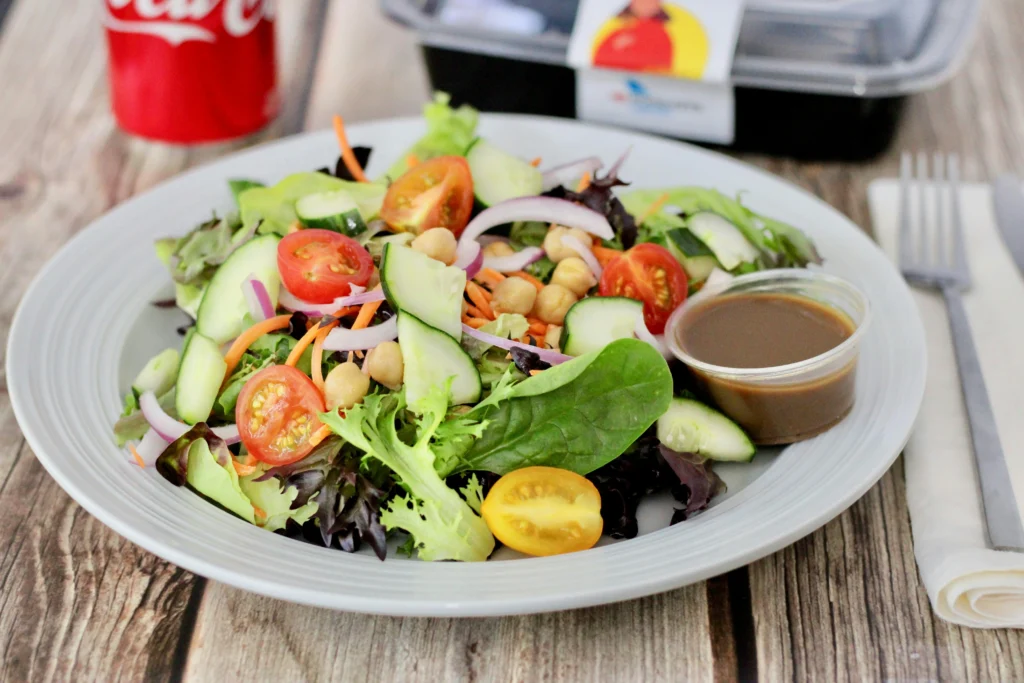
- In a small bowl or mason jar, combine 2 tbsp aged balsamic vinegar and 1 tsp Dijon mustard.
- Add 6 tbsp extra-virgin olive oil in a steady stream while whisking vigorously to emulsify.
- Stir in 1 tsp honey, minced garlic, salt, and pepper.
- Taste and adjust: add more vinegar for tang, more honey for sweetness, or a pinch of red pepper for heat.
- Transfer to a sealed container; shake again just before serving.
Pro Tip: Use a small French whisk or a tightly lidded jar to speed emulsification by 25%.
Recipe 2: Honey Balsamic Glaze Dressing
- Warm 2 tbsp balsamic vinegar in a microwave-safe bowl for 10 seconds (optional but enhances viscosity).
- Stir in 1¼ tsp honey until fully dissolved.
- Add 5 tbsp olive oil and whisk until thickened into a glossy glaze.
- Fold in finely diced shallot and fresh thyme.
- Season with salt, pepper, and lemon zest for a citrus kick.
Dynamic Tip: Drizzle this over a spinach-strawberry salad for a restaurant-style finish.
Recipe 3: Creamy Balsamic Tahini Dressing
- In a bowl, whisk together 3 tbsp balsamic vinegar and 1 tbsp tahini until smooth.
- Slowly pour in 6 tbsp olive oil while whisking to blend.
- Mix in 1 tbsp Greek yogurt (or extra tahini for vegan), minced garlic, and oregano.
- Season with salt and pepper; thin with water (1–2 tsp) to reach desired consistency.
- Garnish with chopped basil and serve over kale or grain bowls.
Insider Tip: Blending in Greek yogurt adds protein (+4g per serving) and creates a luscious mouthfeel.
Nutritional Information
(Per 2-tbsp serving, average across three recipes; values may vary based on brands)
• Calories: 120 kcal
• Total Fat: 12 g (Saturated Fat 1.5 g)
• Carbohydrates: 2.5 g (Sugars 1.8 g)
• Protein: 0.3 g
• Sodium: 90 mg
• Fiber: 0.2 g
Data Insight: Homemade dressings cut out trans fats and reduce sodium by up to 30% compared to many shelf-stable options.
Healthier Alternatives for the Recipe
• Swap olive oil for high-oleic sunflower oil to boost vitamin E.
• Replace honey with stevia or monk fruit sweetener for a calorie-free option.
• Use apple cider vinegar instead of balsamic for a milder acidity and gut-friendly probiotics.
• For keto diets: omit honey and increase olive oil to maintain fat ratio.
• For paleo: use coconut aminos in place of mustard and maple syrup for sweetness.
Creative Twist: Add mashed avocado or silken tofu to create an ultra-creamy, dairy-free dressing rich in healthy fats or plant proteins.
Serving Suggestions
• Over mixed greens with shaved Parmesan, toasted walnuts, and dried cranberries
• As a marinade for grilled chicken or salmon—marinate 30 minutes for deeper flavor
• Drizzled on roasted vegetables (Brussels sprouts, carrots, beets) straight from the oven
• In grain bowls with quinoa, chickpeas, cucumber, and feta for a Mediterranean vibe
• Wrapped into a tortilla with turkey, spinach, and roasted red peppers for a quick lunch
Personalized Tip: For extra crunch, sprinkle microgreens or hemp hearts just before serving.
Common Mistakes to Avoid
• Using cheap vinegar: inferior balsamic can taste overly sweet or harsh—opt for mid-range quality.
• Skipping emulsification: always whisk or shake vigorously to avoid oil separation.
• Over-salting: taste before adding salt; mustard and vinegar already provide depth.
• Adding oil too fast: drizzle slowly to create a stable emulsion.
• Storing with metal lids (uncoated): acids can corrode metal—use glass or BPA-free plastic.
Storing Tips for the Recipe
• Refrigerate in a sealed jar for up to 7 days; bring to room temperature and shake before use.
• Freeze small portions in ice-cube trays; thaw a cube for single-serve dressings in seconds.
• Prep dry ingredient mixes (spices, herbs) in advance—just add oil and vinegar when ready.
• Label jars with date and recipe name for quick identification in your fridge.
Conclusion
Homemade balsamic salad dressing isn’t just about tang and sweetness—it’s about control, quality, and culinary creativity. With these three easy recipes, you can transform everyday greens into unforgettable meals in under 7 minutes. Ready to elevate your salads?
Try them today, share your favorite variation in the comments, and explore our related posts on homemade vinaigrettes and salad hacks to keep your kitchen adventures fresh.
Sometimes, the simplest ingredients create the most unforgettable flavors. This homemade balsamic salad dressing is a beautiful reminder that a little creativity and love can completely transform salads into something extraordinary. Whether you are preparing a quick lunch or a special family dinner, this easy salad dressing is a delicious way to enjoy better greens every day.
I hope this recipe inspires you to explore new salad recipes, experiment with fresh ingredients, and discover different ways to enhance salads with homemade flavors. From crisp lettuce to colorful seasonal vegetables, every combination can become a plate of unforgettable greens worth sharing.
Whenever I prepare this balsamic salad dressing, I remember my grandmother and the beautiful lessons she passed down through her cooking. Her greatest secret was always the same: prepare everything with love and never forget the people sitting around your table.
Make this recipe, share it with your family, and let every salad tell its own beautiful story.
FAQs
Q: How long does homemade balsamic dressing last?
A: Properly stored in the fridge, it lasts 5–7 days. Always shake before each use.
Q: Can I use white balsamic vinegar instead?
A: Yes—white balsamic offers a milder, fruitier taste and won’t darken delicate greens.
Q: Why does my dressing separate?
A: Oil and vinegar naturally separate. Emulsify by whisking briskly or shaking in a sealed jar just before serving.
Q: Is balsamic dressing suitable for keto?
A: Omit sweeteners and stick to oil and vinegar ratio (3:1) for a low-carb option.
Q: Can I make these dressings nut-free?
A: Absolutely—simply skip tahini (Recipe 3) and use Greek yogurt or avocado for creaminess instead.
Q: What’s the best ratio of oil to vinegar?
A: A 3:1 oil-to-vinegar ratio is classic, but feel free to adjust between 2:1 and 4:1 based on taste preference.
Ready to experiment? Bookmark this post, rate your favorite recipe below, and subscribe for more data-driven kitchen secrets!