
Is Pho Healthy Food? A Complete Guide to This Vietnamese Classic
is pho healthy food ?
I often sit at my favorite local spot, steam rising from a fragrant bowl, wondering if this meal aligns with my wellness goals. Many friends ask me if this traditional Vietnamese staple truly qualifies as a nutritious choice for their daily diet.
In this guide, I will explore the nutritional landscape of this aromatic broth to help you decide if it fits your lifestyle. We will examine the components that make it a balanced option while acknowledging where you might need to exercise caution.
My goal is to provide a clear, friendly perspective on how to enjoy this healthy bowl mindfully. Whether you crave the savory herbs or the tender protein, understanding your food choices empowers you to eat with confidence. Let’s dive into what makes pho such a beloved food and determine if it is the right healthy addition to your routine.
Table of Contents
The Nutritional Profile of Traditional Vietnamese Pho
When I look at a steaming bowl of pho, I see more than just a meal; I see a masterclass in balance. This staple of traditional Vietnamese cuisine relies on a thoughtful combination of fresh ingredients that work together to create a satisfying experience. By understanding the core components, I can better appreciate how this dish fits into a healthy lifestyle.
Breaking Down the Macronutrients
To truly understand pho soup nutrition, I look at the three main pillars: carbohydrates, proteins, and fats. The rice noodles provide the primary source of carbohydrates, offering quick energy for my body. Meanwhile, the thin slices of beef or chicken serve as the main protein source, which is essential for muscle repair and satiety.
The fat content in a bowl of pho is generally moderate, depending on the cut of meat used. I find that the herbs and aromatics added at the table provide a vibrant boost of micronutrients without adding significant calories. This macronutrient profile makes the dish a well-rounded option for a balanced lunch or dinner.
The Role of Bone Broth in Your Diet
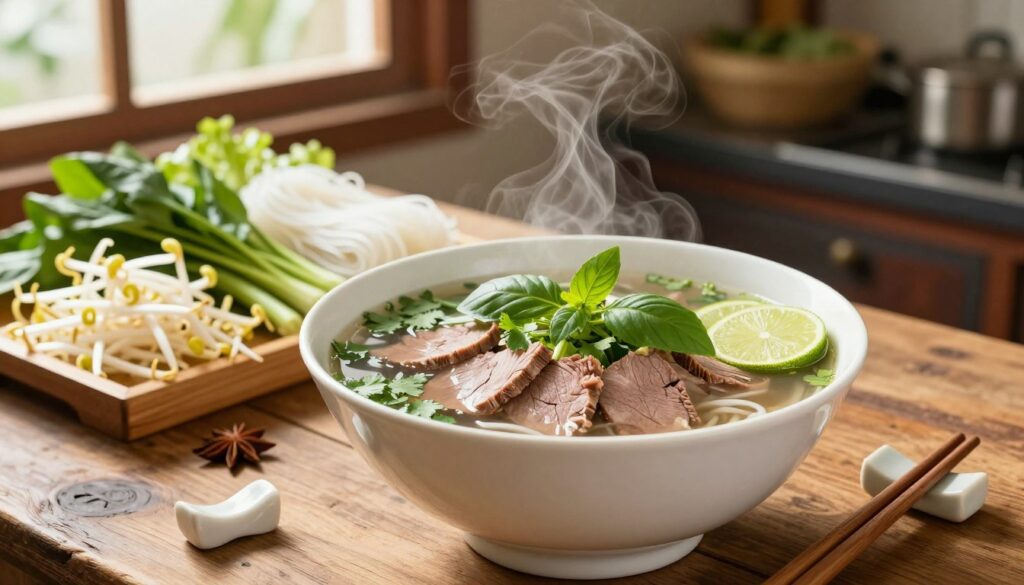
The heart of any great bowl is the liquid base, and the pho broth benefits are truly remarkable. By simmering beef or chicken bones for many hours, the cooking process extracts collagen, amino acids, and essential minerals into the soup. This slow extraction creates a nutrient-dense foundation that is both soothing and restorative.
I believe the depth of flavor in the broth is a testament to the time and care invested in its preparation. Because it is made from scratch, it provides a wholesome quality that processed soups simply cannot match. Incorporating this traditional liquid gold into my diet is one of my favorite ways to support gut health and overall wellness.
Is Pho Healthy Food for Your Daily Diet?
You might wonder if your favorite bowl of soup is truly a healthy choice for your everyday diet. Many people enjoy this meal frequently, but they often worry about how it fits into their long-term wellness goals. Determining if is pho healthy food depends largely on how you customize your bowl and how often you visit your local shop.
Evaluating Caloric Density and Portion Control
The caloric content of a bowl can vary significantly based on the size and the ingredients added. A standard restaurant serving is often quite large, which can lead to unintentional overeating. If you are looking for a low-calorie pho experience, consider ordering a smaller size or sharing a bowl with a friend.
Portion control is the secret to enjoying this dish without feeling weighed down. By focusing on the broth and vegetables rather than just the noodles, you can keep your meal light and satisfying. Remember that your body knows when it is full, so listen to those cues while you eat.
“The secret of success in life is to eat what you like and let the food fight it out inside.”
Sodium Content and How to Manage It
One of the most common concerns regarding pho soup nutrition is the high sodium content found in traditional broths. Salt is essential for developing the deep, savory flavors we love, but it can add up quickly. Fortunately, you have several ways to manage your intake without sacrificing the authentic taste.
You can ask for your broth to be served with less seasoning or request that the kitchen holds back on extra sauces like hoisin. Adding fresh lime juice and extra herbs can brighten the flavor profile, making you miss the salt much less. Small adjustments to your ordering habits go a long way in keeping your daily sodium levels in check.
The Health Benefits of Pho Ingredients
When I look at a steaming bowl of pho, I see more than just soup; I see a collection of vibrant, health-boosting components. The true magic of this dish lies in the fresh, raw elements added right before serving. By choosing nutritious pho ingredients, you can easily elevate your meal from a simple snack to a wholesome, balanced experience.
The Power of Fresh Herbs and Aromatics
One of the most significant benefits of pho comes from the generous handfuls of fresh herbs typically served on the side. Thai basil, cilantro, and bean sprouts are not just for flavor; they are packed with essential vitamins and antioxidants. These additions provide a refreshing crunch while supporting your overall wellness.
Adding these greens to your broth is a simple way to increase your intake of micronutrients. I always recommend piling them high to maximize the nutritional value of your bowl. These fresh aromatics are a cornerstone of pho health facts that many people often overlook.
Protein Sources: Beef, Chicken, and Tofu
The protein you choose plays a major role in the final nutritional profile of your meal. Whether you prefer thinly sliced beef, shredded chicken, or firm tofu, each option offers unique advantages. Lean cuts of beef provide high-quality iron and zinc, which are vital for energy levels.
If you prefer a lighter option, chicken is an excellent source of lean protein that keeps the dish feeling clean and satisfying. For those following a plant-based diet, tofu is a fantastic alternative that absorbs the savory flavors of the broth perfectly. Selecting high-quality proteins ensures that your meal remains a nutritious pho ingredient choice that fuels your body effectively.
Navigating Pho Noodle Options
When I sit down to enjoy a steaming bowl, I realize that the noodles are the foundation of the entire experience. While the broth provides the flavor, the noodles serve as the primary source of carbohydrates. Understanding your pho noodle options is the best way to ensure your meal aligns with your personal health goals.
Traditional Rice Noodles vs. Whole Grain Alternatives
Most restaurants serve traditional white rice noodles, which offer a soft, silky texture that absorbs the broth perfectly. However, these are refined carbohydrates that can cause a quick spike in blood sugar for some people. If you want a more nutrient-dense choice, look for brown rice noodles or even buckwheat soba if the shop offers them.
These whole grain alternatives provide extra fiber, which helps keep you feeling full for a longer period. Choosing these options is a simple way to improve the nutritional profile of your meal without losing the authentic feel of the dish. I always recommend asking your server if they have these healthier alternatives available.
Low-carb Substitutes for Pho Lovers
If you are following a strict low-carb or keto diet, you might worry that you have to skip this classic meal entirely. Fortunately, you can still enjoy a delicious bowl by requesting a low-calorie pho experience. Many modern restaurants are happy to swap out rice noodles for fresh, crunchy vegetables.
Zucchini noodles, or “zoodles,” are a fantastic way to add volume and nutrients while keeping your carbohydrate count very low. Another great option is shirataki noodles, which are made from konjac yam and contain almost zero calories. By choosing these substitutes, you can focus on the savory broth and fresh herbs, creating a truly satisfying and light meal.
Customizing Your Bowl for Maximum Nutrition
I find that the true magic of this dish lies in the ability to personalize every single ingredient. By taking control of what goes into your bowl, you can ensure that your meal aligns perfectly with your wellness goals. It is a simple way to turn a classic comfort food into a nutrient-dense powerhouse.
Adding Extra Vegetables for Fiber
One of the most effective ways to boost the nutritional value of your meal is by loading up on greens. Adding extra bean sprouts, Thai basil, and cilantro provides a satisfying crunch while significantly increasing your fiber intake. These fresh pho toppings help you feel fuller for longer, which can prevent overeating later in the day.
Do not be afraid to ask for extra bok choy or broccoli if the restaurant offers them. These vegetables are packed with essential vitamins and minerals that complement the savory broth. Prioritizing these additions makes your meal much more balanced and heart-healthy.
Choosing Leaner Cuts of Meat
The protein you select plays a major role in the overall fat content of your soup. I always recommend opting for lean cuts like eye round steak or white meat chicken to keep your saturated fat intake in check. These choices provide high-quality protein without the excess grease found in fattier cuts like brisket.
If you are looking for a plant-based alternative, tofu is an excellent option that absorbs the flavors of the broth beautifully. By carefully selecting your protein and utilizing fresh pho toppings, you can enjoy a delicious, guilt-free experience every time. Making these small, intentional changes is the best way to maximize your nutrition while still savoring the authentic taste of this Vietnamese classic.
Common Pitfalls When Ordering Pho
I have learned that ordering pho is an art form, and sometimes the smallest choices make the biggest difference. While this dish is often a fantastic choice for a balanced meal, it is easy to accidentally turn a light lunch into a calorie-dense experience. Being aware of these subtle traps allows you to enjoy your meal without any unwanted surprises.
Hidden Sugars in Broth and Sauces
Many people assume that broth is simply water, bones, and spices, but that is not always the case. Some restaurants add sugar to their broth to balance the savory notes of the beef or chicken. This can lead to a higher glycemic impact than you might expect from a traditional soup.
Furthermore, the dipping sauces on your table are often packed with hidden sweeteners. Hoisin sauce, in particular, is essentially a concentrated sugar syrup mixed with fermented bean paste. If you find yourself drizzling large amounts of these sauces into your bowl, you are likely adding significant amounts of refined sugar to your diet.
“The secret to a truly healthy meal lies in the ingredients you choose to highlight, rather than the ones you use to mask the natural flavors.”
The Impact of Fried Toppings and Extra Condiments
It is tempting to add extra texture to your bowl, but some common additions can quickly negate the benefits of a clean meal. Fried dough sticks, often served on the side, are deep-fried and add unnecessary saturated fats and empty calories. These items are best enjoyed in moderation rather than as a standard part of your daily routine.
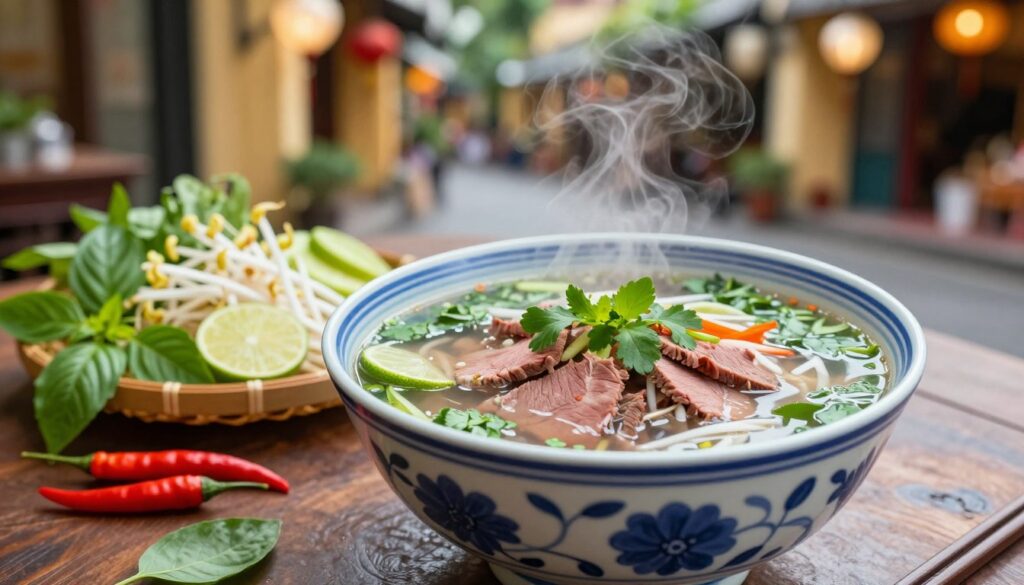
Instead of relying on heavy, processed condiments, I suggest focusing on fresh pho toppings to enhance your experience. Adding extra bean sprouts, Thai basil, cilantro, and lime wedges provides a satisfying crunch and a burst of vitamins without the extra sugar or grease. By choosing these vibrant, natural additions, you ensure that your bowl remains as nutritious as it is delicious.
How to Make Nutritious Pho at Home
Preparing this classic dish at home gives you total control over the quality of your ingredients. I love the process because it allows me to tailor every element to my personal health needs. By taking charge of the kitchen, you can create a restaurant-quality experience that is both delicious and wholesome.
Selecting Quality Ingredients for Your Broth
The foundation of any great bowl is the liquid base. To maximize the pho broth benefits, you should start with high-quality marrow bones from grass-fed cattle. These bones provide a rich source of collagen and essential minerals that support joint health and digestion.
Beyond the bones, the aromatics are what truly define the flavor profile. I recommend using fresh, organic versions of these staples to ensure the best results:
- Charred ginger for a deep, earthy warmth.
- Whole star anise and cloves for that signature fragrance.
- Yellow onions or shallots to add natural sweetness.
- Cinnamon sticks to provide a subtle, complex spice note.
Tips for Reducing Sodium Without Sacrificing Flavor
Many store-bought versions are loaded with salt, but you can easily manage this at home. When you focus on nutritious pho ingredients, you rely on natural aromatics rather than processed seasonings to carry the flavor. It is truly amazing how much depth you can achieve without relying on a salt shaker.
Here are my favorite strategies to keep your sodium levels low while keeping the taste bold:
- Use more herbs: Pile on fresh cilantro, Thai basil, and mint right before serving.
- Acid is your friend: A generous squeeze of fresh lime juice brightens the broth instantly.
- Spice it up: Use fresh chili slices instead of salty bottled hot sauces.
- Control the fish sauce: Add it sparingly at the very end to taste rather than dumping it into the pot early.
By following these simple steps, you can enjoy the pho broth benefits while keeping your meal heart-healthy. Crafting your own soup is a rewarding way to ensure you are eating well every single day.
Comparing Pho to Other Popular Soups
When I look at the landscape of global comfort foods, I find that comparing different soups helps clarify why some choices are better for my health. While many options exist, understanding the nutritional nuances of each bowl allows me to make smarter decisions. By looking at the broader culinary landscape, I can better appreciate the specific benefits of pho in my daily routine.
Pho vs. Ramen: A Nutritional Comparison
Ramen is a beloved staple, but it often relies on heavy, creamy tonkotsu broths and fried toppings. In contrast, traditional Vietnamese soup uses a clear, spice-infused broth that is typically lower in saturated fats. When I review the pho health facts, I notice that the preparation methods differ significantly between these two iconic dishes.
The following table highlights the primary differences I consider when choosing between these two popular meals:
| Feature | Traditional Pho | Standard Ramen |
|---|---|---|
| Broth Base | Clear, herb-infused | Creamy, pork-based |
| Noodle Type | Rice noodles | Wheat noodles |
| Typical Toppings | Fresh herbs, bean sprouts | Chashu pork, nori |
| Caloric Profile | Generally lower | Generally higher |
Why Pho Often Wins as a Balanced Meal
I personally prefer this Vietnamese classic because it feels like a more balanced meal. The inclusion of fresh basil, cilantro, and lime provides a burst of micronutrients that many other soups lack. These fresh additions are key benefits of pho that keep me feeling energized rather than sluggish after lunch.
Furthermore, the ability to customize my bowl with lean proteins like chicken or tofu makes it highly adaptable. When I examine the pho health facts, it becomes clear that the focus on fresh, unprocessed ingredients is a major advantage. This soup provides a satisfying experience without the heavy sodium or fat loads found in many other restaurant alternatives.
Conclusion
Making smart choices turns a simple meal into a powerful tool for your wellness journey. You now possess the knowledge to navigate menus and kitchen prep with ease.
I believe that traditional vietnamese cuisine offers a unique blend of flavor and nutrition. You can savor every spoonful while staying aligned with your personal health goals.
Focusing on fresh herbs and lean proteins allows you to appreciate the depth of this dish. Small adjustments to your broth or noodle choices make a significant impact on your daily intake.
I encourage you to experiment with these tips during your next visit to a local restaurant or while cooking at home. Embracing the balance found in traditional vietnamese cuisine keeps your palate excited and your body fueled.
What is your favorite way to customize your bowl? Share your preferred toppings or unique ingredient combinations with fellow food lovers to keep the conversation going.
FAQ
Is pho healthy food to include in my weekly meal rotation?
I absolutely believe so! Generally speaking, is pho healthy food depends on how it’s prepared, but it is traditionally a very balanced meal. It provides a great mix of protein, complex carbohydrates, and essential vitamins. When I enjoy a bowl of traditional Vietnamese cuisine, I feel satisfied without the “heavy” feeling that often comes from processed fast foods.
What are the primary benefits of pho for my physical wellness?
There are numerous benefits of pho, ranging from hydration to immune support. The pho broth benefits are particularly notable; because the broth is simmered for many hours with marrow bones and aromatics like ginger and star anise, it is rich in minerals and can be very soothing for the digestive system. Additionally, the fresh pho toppings like lime and Thai basil provide a hit of antioxidants and Vitamin C.
Can you suggest some nutritious pho ingredients for a more wholesome bowl?
Of course! To maximize your intake of nutritious pho ingredients, I recommend asking for extra bean sprouts, bok choy, or carrots. For protein, choosing lean cuts of beef like eye round or opting for chicken breast (Pho Ga) can keep the meal light. These choices significantly improve the overall pho soup nutrition by increasing fiber and reducing saturated fat.
I am watching my weight; is there such a thing as low-calorie pho?
Yes, it is very easy to order or make low-calorie pho. My favorite trick is to ask for half the usual serving of noodles and double the amount of vegetables. By focusing on a clear, well-skimmed broth and lean proteins, you can enjoy a massive, filling bowl that is surprisingly low in calories compared to other takeout options.
What are my pho noodle options if I am trying to reduce my carb intake?
While traditional white rice noodles are the standard, many modern spots offer different pho noodle options. I sometimes look for brown rice noodles for more fiber. If you are strictly low-carb or keto, you can even skip the noodles entirely and ask for extra cabbage or zucchini noodles to soak up that delicious broth.
Are there any interesting pho health facts I should keep in mind?
One of the most interesting pho health facts I’ve come across is the role of the spices. Ingredients like cinnamon and cloves used in the broth are known to help regulate blood sugar and have anti-inflammatory properties. This makes the dish not just a meal, but a functional food that supports your body’s natural processes.
How can I manage the sodium levels in my soup?
Sodium is often the biggest concern with pho soup nutrition. When I eat out, I try not to drink every last drop of the broth if I’m worried about salt. When I’m at home, I use high-quality salt and plenty of fresh herbs to provide flavor so I don’t have to rely on as much sodium to make the dish pop.