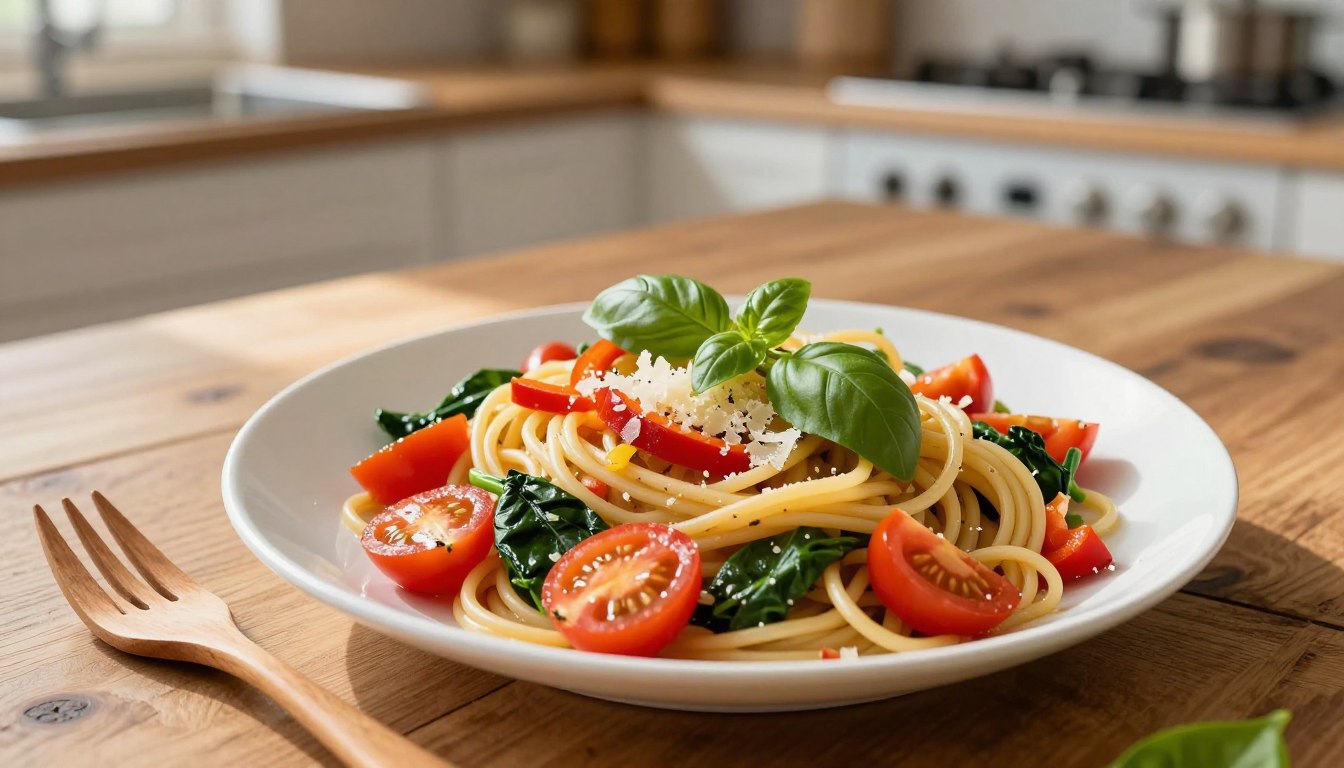
Healthy Food Recipes Pasta: Guilt-Free Comfort Food Made Easy
I remember the nights when I craved a warm bowl of noodles, but I felt weighed down by heavy sauces and refined grains. My journey toward better eating started right in my kitchen, where I realized I did not have to sacrifice the comfort I loved to feel my best.
I began experimenting with fresh vegetables and lighter proteins to reinvent my favorite classics. It turns out that healthy food recipes pasta can be incredibly satisfying and simple to prepare for any busy weeknight.
You can transform traditional dishes into nutritious meals that your whole family will enjoy. Let me show you how to keep the joy of cooking alive while making choices that nourish your body and soul.
In 2026, my kitchen has transformed into a vibrant workshop where Jad and Rayhana have become my most enthusiastic sous-chefs, helping me master the art of healthy food recipes through hands-on play. Whether we are watching the steam rise from a fresh pot of noodles or carefully picking basil leaves from our windowsill garden, these moments have taught me that cooking with children is the ultimate secret ingredient to a balanced lifestyle. In this blog post, I’m sharing our journey of blending nutrition with fun, featuring everything from easy pasta recipes for busy weeknights to creative gluten-free pasta dishes that ensure everyone at the table can enjoy a delicious meal together.
Beyond the basics, we’ll explore a variety of vegetarian pasta recipes that celebrate seasonal produce and kid-friendly pasta meals designed to win over even the pickiest eaters. For those looking to keep things light, I’ve included my favorite low-calorie pasta recipes that never compromise on flavor, alongside my signature homemade pasta sauce recipes that we’ve perfected as a family. Join us as we dive into these kitchen-tested favorites that make eating well a joyful, collective experience!
Table of Contents
The Philosophy of Guilt-Free Pasta
If you have ever felt guilty after eating a bowl of noodles, it is time to rethink your relationship with food. I have discovered that the secret to enjoying pasta lies not in avoiding it, but in changing how we approach our plates. By focusing on quality and balance, you can transform a simple meal into a nourishing experience.
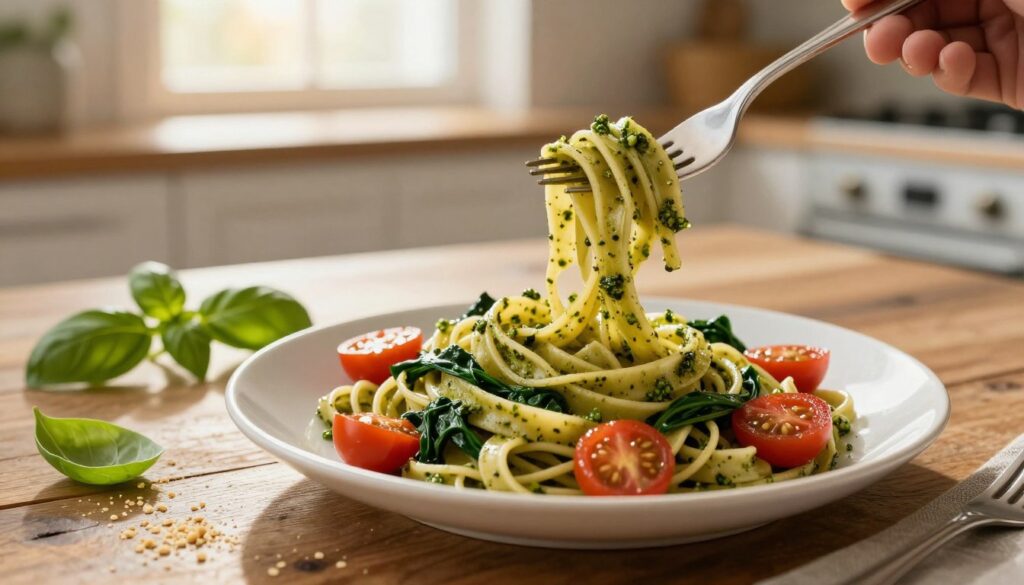
Redefining Comfort Food for a Balanced Lifestyle
Comfort food does not have to mean sacrificing your health goals. I view pasta as a versatile canvas that allows me to incorporate more vegetables, lean proteins, and healthy fats into my daily routine. It is about finding harmony rather than restriction.
When I plan my meals, I focus on these core principles to keep things balanced:
- Prioritize portion control to enjoy the flavors without overindulging.
- Add volume with fresh, seasonal vegetables to increase nutrient density.
- Choose high-quality ingredients like whole-grain or legume-based pastas for better satiety.
“Food is not just fuel; it is a source of joy and connection. When we remove the guilt, we regain the ability to listen to what our bodies truly need.”
Why Pasta Gets a Bad Rap and How to Change That
Pasta often suffers from a negative reputation due to common misconceptions about carbohydrates. Many people fear that eating pasta will automatically lead to weight gain or sluggishness. However, I have found that the quality of the carbohydrate and the accompanying ingredients make all the difference.
Instead of viewing pasta as a dietary enemy, I treat it as a component of a well-rounded meal. By pairing a moderate serving of pasta with fiber-rich toppings, I can maintain steady energy levels throughout the day. Empowerment comes from understanding that you do not have to choose between your favorite Italian-inspired dishes and your wellness journey.
Essential Ingredients for Healthy Food Recipes Pasta
I believe that the secret to delicious healthy food recipes pasta lies in the quality of your ingredients. When you start with a nutrient-dense foundation, you transform a simple meal into a powerhouse of energy. It is not just about cutting calories; it is about fueling your body with the right building blocks.
Choosing the Right Pasta Base
The pasta aisle has evolved significantly over the last few years. Moving away from refined white flour allows you to enjoy your favorite comfort food while increasing your intake of fiber and essential minerals.
Whole Wheat vs. Chickpea vs. Lentil Pasta
Each base offers a unique texture and nutritional profile. I recommend experimenting with these options to see which one fits your palate best.
| Pasta Type | Protein Content | Fiber Content |
|---|---|---|
| Whole Wheat | Moderate | High |
| Chickpea | High | High |
| Lentil | Very High | Moderate |
The Importance of Fresh, Seasonal Vegetables
Incorporating seasonal produce is the easiest way to elevate the flavor of any dish. When vegetables are in season, they are at their peak of nutritional density and taste. I love adding roasted bell peppers in the summer or sautéed kale during the cooler months to add depth and color.
“Let food be thy medicine and medicine be thy food.”
By prioritizing fresh ingredients, you ensure that your healthy food recipes pasta dishes remain vibrant and exciting. Do not be afraid to experiment with local farmers’ market finds to keep your kitchen routine fresh.
Healthy Fats and Lean Proteins to Boost Satiety
To keep your hunger at bay, you must balance your carbohydrates with healthy fats and lean proteins. Adding a drizzle of extra virgin olive oil or a sprinkle of toasted walnuts provides essential fatty acids that keep you satisfied longer. Pairing these with grilled chicken, tofu, or white beans turns a light meal into a truly filling experience.
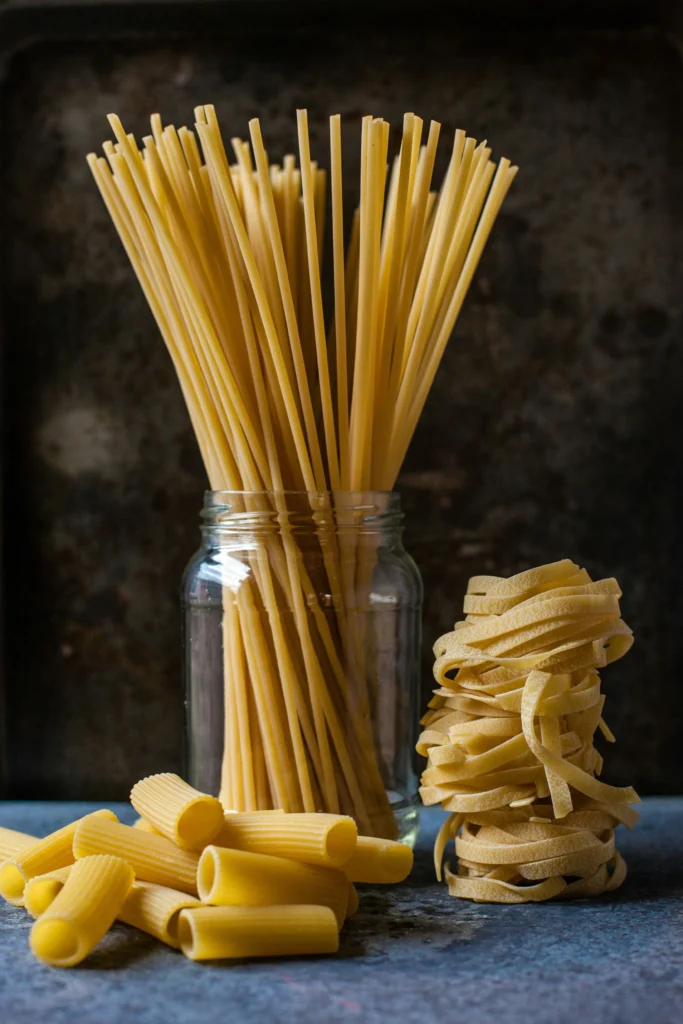
Mastering Homemade Pasta Sauce Recipes
I believe that the heart of any great pasta dish lies in the sauce you create from scratch. When you move away from store-bought jars, you gain total control over the quality of your ingredients. These homemade pasta sauce recipes allow you to prioritize nutrition while enjoying deep, complex flavors that satisfy every craving.
Creating Nutrient-Dense Tomato Bases
A vibrant tomato sauce serves as the foundation for many classic meals. Instead of relying on pre-made options filled with hidden sugars, I prefer to simmer fresh, vine-ripened tomatoes with garlic and onions. This simple process creates a rich, natural sweetness that is hard to beat.
To boost the nutritional profile, I often stir in finely chopped carrots or bell peppers. These vegetables melt into the sauce, adding vitamins without changing the classic taste. You will find that these homemade pasta sauce recipes are far more satisfying than anything you can buy in a store.
Creamy Sauces Without the Heavy Cream
Many people assume that a creamy pasta sauce requires heavy dairy, but that is simply not true. You can achieve a luxurious, velvety texture using plant-based whole foods. This approach keeps your meal light while providing a boost of healthy fats and fiber.
Using Cashews and Cauliflower for Texture
My favorite secret for a thick, indulgent sauce involves two humble ingredients: soaked cashews and steamed cauliflower. When blended until smooth, they create a base that mimics the mouthfeel of traditional cream sauces perfectly.
- Cashews: Provide a rich, buttery consistency and healthy fats.
- Cauliflower: Adds volume and creaminess without the heavy calorie count.
- Nutritional Yeast: Offers a subtle, savory “cheesy” flavor profile.
Fresh Herb Infusions for Maximum Flavor
The final touch to any great sauce is the addition of fresh herbs. I always recommend using basil, parsley, or oregano at the very end of the cooking process to preserve their bright, aromatic oils. These herbs provide a burst of freshness that eliminates the need for excess salt.
“Cooking is like painting or writing a song. Just as there are only so many notes or colors, there are only so many flavors—it’s how you combine them that sets you apart.”
By experimenting with different herb combinations, you can customize your homemade pasta sauce recipes to suit any mood. Whether you prefer a zesty kick or a mellow, earthy tone, fresh herbs are your best tool for success.
Easy Pasta Recipes for Busy Weeknights
Let me show you how to transform your weeknight routine with meals that are both quick and healthy. I know that balancing a hectic schedule with the desire for a nutritious dinner is often difficult. By utilizing a few smart techniques, you can master easy pasta recipes that fit perfectly into your lifestyle.
One-Pot Wonders That Save Time and Cleanup
The secret to a stress-free evening is minimizing the number of dishes you have to wash. I love using one-pot methods where the pasta cooks directly in the sauce. This technique allows the starch to thicken the liquid, creating a luxurious texture without any extra effort.
Simply combine your dry noodles, broth, and aromatics in a large skillet or Dutch oven. Bring the mixture to a boil and simmer until the liquid is absorbed. This approach is a game-changer for anyone looking for easy pasta recipes that deliver maximum flavor in under thirty minutes.
Quick Stir-Ins for Instant Nutrition
When you are short on time, you can still boost the nutritional profile of your meal with minimal preparation. I always keep a few staples in my pantry and fridge that can be tossed into a hot bowl of noodles instantly. These additions provide fiber, protein, and essential vitamins without requiring a trip to the grocery store.
Try stirring in a handful of pre-washed baby spinach or arugula right before serving. You can also add canned chickpeas or white beans for a quick protein boost that keeps you full longer. Incorporating these simple ingredients ensures that your easy pasta recipes remain both convenient and incredibly healthy.
Exploring Gluten-Free Pasta Dishes
I have spent years perfecting my kitchen routine to ensure that gluten-free pasta dishes never feel like a compromise. Many people assume that removing wheat means sacrificing the texture we all crave, but that is simply not the case anymore. With the right selection of ingredients, you can enjoy a bowl that feels just as satisfying as the traditional version.
Best Gluten-Free Alternatives That Hold Their Shape
When I shop for gluten-free pasta dishes, I look for varieties that maintain a firm bite after cooking. Not all alternatives are created equal, and some tend to turn into mush the moment they hit boiling water. I recommend sticking to these reliable options:
- Chickpea Pasta: This is my favorite for added protein and a hearty, nutty flavor that pairs perfectly with robust sauces.
- Brown Rice Pasta: It offers the most neutral taste and a texture that is remarkably close to traditional semolina noodles.
- Red Lentil Pasta: These hold their shape incredibly well and provide a beautiful color to your plate.
Tips for Cooking Gluten-Free Pasta Perfectly
Cooking these noodles requires a bit more attention than standard wheat pasta. I always set a timer for two minutes less than the package instructions to avoid overcooking. Testing the texture frequently is the best way to ensure you catch the pasta at that perfect al dente stage.
Once the pasta reaches the desired firmness, I immediately drain it and rinse it under warm water. This simple step removes excess starch, which prevents the noodles from sticking together in a clump. By following these small adjustments, you can serve high-quality gluten-free pasta dishes that will impress even the most dedicated pasta lovers at your table.
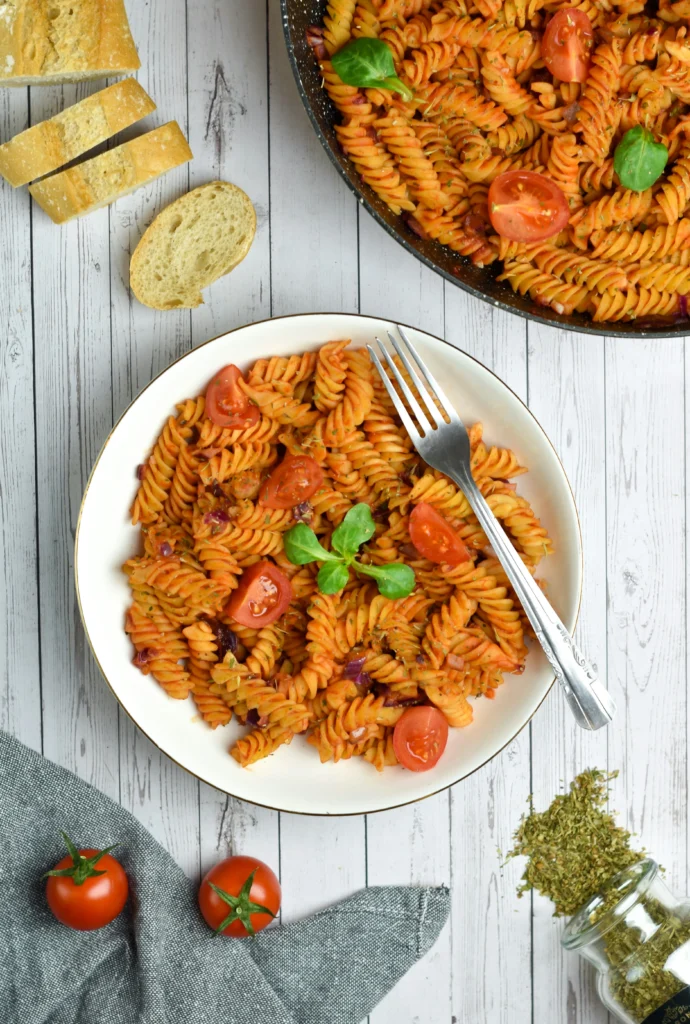
gluten-free pasta dishes
Vegetarian Pasta Recipes That Satisfy
Creating hearty vegetarian pasta recipes is one of my favorite ways to bring comfort to the dinner table. Many people assume that a meal without meat cannot be truly filling, but I have found that is simply not the case. With the right ingredients, you can easily craft a plant-based dish that leaves everyone feeling satisfied and energized.
Plant-Based Proteins to Add to Your Bowl
To ensure your meal is nutritionally complete, I always focus on adding high-quality plant proteins. Ingredients like tempeh, lentils, and chickpeas are fantastic additions that provide a robust texture and a complete amino acid profile. These proteins soak up sauces beautifully, making them perfect for your favorite vegetarian pasta recipes.
I often sauté crumbled tempeh with garlic and herbs to mimic the heartiness of traditional meat sauces. Lentils are another secret weapon because they add a wonderful earthiness to tomato-based dishes. By incorporating these staples, you transform a simple bowl of noodles into a protein-packed powerhouse.
Roasted Vegetable Medleys for Depth of Flavor
Beyond protein, the secret to a truly memorable meal lies in how you prepare your produce. I highly recommend roasting your vegetables at high heat to unlock their natural sugars. This process, known as caramelization, creates a deep, savory complexity that elevates even the simplest vegetarian pasta recipes.
Try roasting bell peppers, zucchini, and cherry tomatoes on a single sheet pan until they are slightly charred. The intense sweetness of the roasted vegetables pairs perfectly with a splash of balsamic vinegar or fresh basil. This simple step adds a layer of flavor that makes your dinner feel like a gourmet experience.
Kid-Friendly Pasta Meals That Hide the Veggies
Transforming healthy ingredients into delicious, hidden-veggie pasta dishes is my favorite way to feed my family. I know that getting children to eat their daily dose of greens can feel like a constant battle. However, I have discovered that kid-friendly pasta meals are the perfect vehicle for sneaking in essential nutrients without the usual dinner table protests.
Blending Vegetables into Smooth Sauces
The secret to success lies in the texture of your sauce. By steaming vegetables like carrots, spinach, or bell peppers until they are tender, you can easily blend them into a silky, vibrant puree. I love mixing these purees directly into a classic marinara or a creamy cashew-based sauce.
This method ensures that the vegetables disappear completely into the dish. Your children get all the vitamins and fiber they need, while you enjoy the peace of mind that comes with a nutritious, well-balanced meal. It is truly a win-win situation for everyone at the table.
Fun Shapes and Colors to Encourage Eating
Beyond the sauce, the visual appeal of your pasta plays a huge role in how much your kids will enjoy their food. I always look for unique, fun shapes like bowties, spirals, or wagon wheels to make kid-friendly pasta meals more exciting. These shapes hold onto sauces better and provide a playful element that encourages even the pickiest eaters to take a bite.
You can also experiment with different types of pasta, such as those made from lentils or chickpeas, which often come in natural, earthy colors. When you combine these engaging shapes with a colorful, hidden-veggie sauce, you turn a standard dinner into a creative culinary adventure. Making mealtime fun is the best way to foster a positive relationship with healthy food for years to come.
Low-Calorie Pasta Recipes for Weight Management
I have found that swapping traditional flour pasta for garden-fresh alternatives is a game-changer for my health goals. When I started my journey toward better weight management, I worried that I would have to abandon my favorite comfort meals. Fortunately, I discovered that low-calorie pasta recipes can be just as satisfying as the classic versions I grew up eating.
Using Zucchini Noodles and Spaghetti Squash
Zucchini noodles, often called “zoodles,” are a fantastic way to reduce the calorie density of your dinner. I simply use a spiralizer to create long, thin ribbons that mimic the texture of spaghetti. They cook in just a few minutes, making them perfect for those busy evenings when I need a quick meal.
Spaghetti squash is another one of my favorite staples. Once roasted, the flesh pulls away into delicate, stringy strands that hold sauce beautifully. These vegetable bases allow me to enjoy larger portions while keeping my overall intake light and nutrient-dense.
Portion Control and Balancing Your Plate
Even when using low-calorie pasta recipes, balance remains the key to long-term success. I always make sure to pair my veggie noodles with a high-quality lean protein, such as grilled chicken, shrimp, or chickpeas. This combination helps me stay full for hours without feeling weighed down.
Adding healthy fats like a drizzle of olive oil or a sprinkle of toasted walnuts provides essential nutrients and flavor. By focusing on these components, I can create a meal that feels indulgent but supports my wellness goals. The following table highlights why these swaps are so effective for my daily routine.
| Ingredient Type | Calories (per cup) | Fiber Content | Best Use |
|---|---|---|---|
| Traditional Pasta | 220 | Low | Heavy Sauces |
| Zucchini Noodles | 20 | Moderate | Light Pesto |
| Spaghetti Squash | 40 | Moderate | Tomato Bases |
Ultimately, mastering these low-calorie pasta recipes is about being creative in the kitchen. I love experimenting with different herbs and spices to ensure every bite is packed with flavor. With the right approach, you can maintain your weight while still enjoying the comfort of a warm, delicious bowl of pasta.
Conclusion
You now possess the tools to reinvent your favorite pasta dishes. Making small shifts in your ingredient choices leads to big results for your long-term health.
I encourage you to keep exploring new flavor combinations in your own kitchen. Try swapping traditional noodles for Barilla legume pasta or fresh zucchini ribbons tonight. Experimenting with these techniques makes healthy eating feel like a treat rather than a chore.
Mindful cooking turns every meal into an opportunity to nourish your body. Focus on whole, vibrant ingredients to elevate your culinary skills. Your journey toward balanced comfort food starts with the very next bowl you prepare.
Share your favorite creations with friends and family to spread the joy of nutritious cooking. I look forward to hearing about the delicious meals you craft using these simple, guilt-free methods. Happy cooking as you continue to prioritize your well-being one bite at a time.
FAQ
How can I incorporate more healthy food recipes pasta into my weekly routine without it feeling like a “diet”?
I always suggest starting with small swaps that don’t compromise the comfort you crave. In my kitchen, I love using Barilla Protein+ or Banza chickpea pasta because they offer a similar texture to traditional noodles but with a significant fiber and protein boost. By focusing on nutrient-dense additions like fresh spinach or sautéed mushrooms, I’ve found that you can enjoy a hearty bowl while still fueling your body correctly.
What are your favorite tips for creating easy pasta recipes on a hectic weeknight?
My go-to strategy is the “one-pot wonder” method. I often toss my dry noodles, a jar of Muir Glen organic tomatoes, some garlic, and a bunch of kale into a single pot with just enough water to cover them. This not only saves me a ton of time on cleanup, but it also ensures the starch from the pasta creates a naturally thick and silky sauce that binds everything together in under 20 minutes.
Can gluten-free pasta dishes actually taste as good as the original versions?
Absolutely! I used to struggle with mushy textures until I discovered Jovial brown rice pasta and Rummo Gluten-Free. My secret for the perfect al dente finish is to boil the pasta for exactly one minute less than the package directions and then finish cooking it directly in the sauce. I also recommend a quick rinse with cold water immediately after draining to stop the cooking process and prevent that unwanted stickiness.
What’s the best way to make vegetarian pasta recipes more filling for someone used to eating meat?
I’ve found that the key to satisfaction lies in “meaty” plant-based textures. I love adding roasted eggplant or hearty lentils to my red sauces to provide a savory depth. For an extra punch of protein, I often stir in some Bob’s Red Mill nutritional yeast or top my bowl with toasted walnuts, which adds a wonderful crunch and healthy fats that keep me full for hours.
Do you have any tricks for making kid-friendly pasta meals that sneak in extra nutrition?
My favorite “stealth health” move is using a high-powered blender, like a Vitamix, to turn steamed carrots, yellow bell peppers, and onions into a vibrant orange sauce. To my kids, it looks just like their favorite boxed mac and cheese, but I know they are getting a full serving of vegetables. Using fun shapes like De Cecco Farfalle (bowties) also makes the meal much more exciting for picky eaters.
How do you keep low-calorie pasta recipes satisfying when you’re watching your weight?
I’m a huge fan of the “half-and-half” technique. I’ll prepare a smaller portion of traditional spaghetti and bulk it up with a large mountain of zucchini noodles or spaghetti squash. This allows me to enjoy the authentic flavor and bite of real pasta while keeping the overall calorie count low. I also lean heavily on fresh lemon juice and red pepper flakes to add massive flavor without adding extra fat.
Is it difficult to make homemade pasta sauce recipes that are creamy but dairy-free?
It’s surprisingly simple! I often use Silk unsweetened cashew milk or a puree of boiled cauliflower to create a luxurious, velvety base for Alfredo-style sauces. By adding a touch of garlic and a splash of white wine, I can mimic that rich, decadent feeling of heavy cream without the extra calories or saturated fat. It’s a total game-changer for my healthy cooking repertoire.