
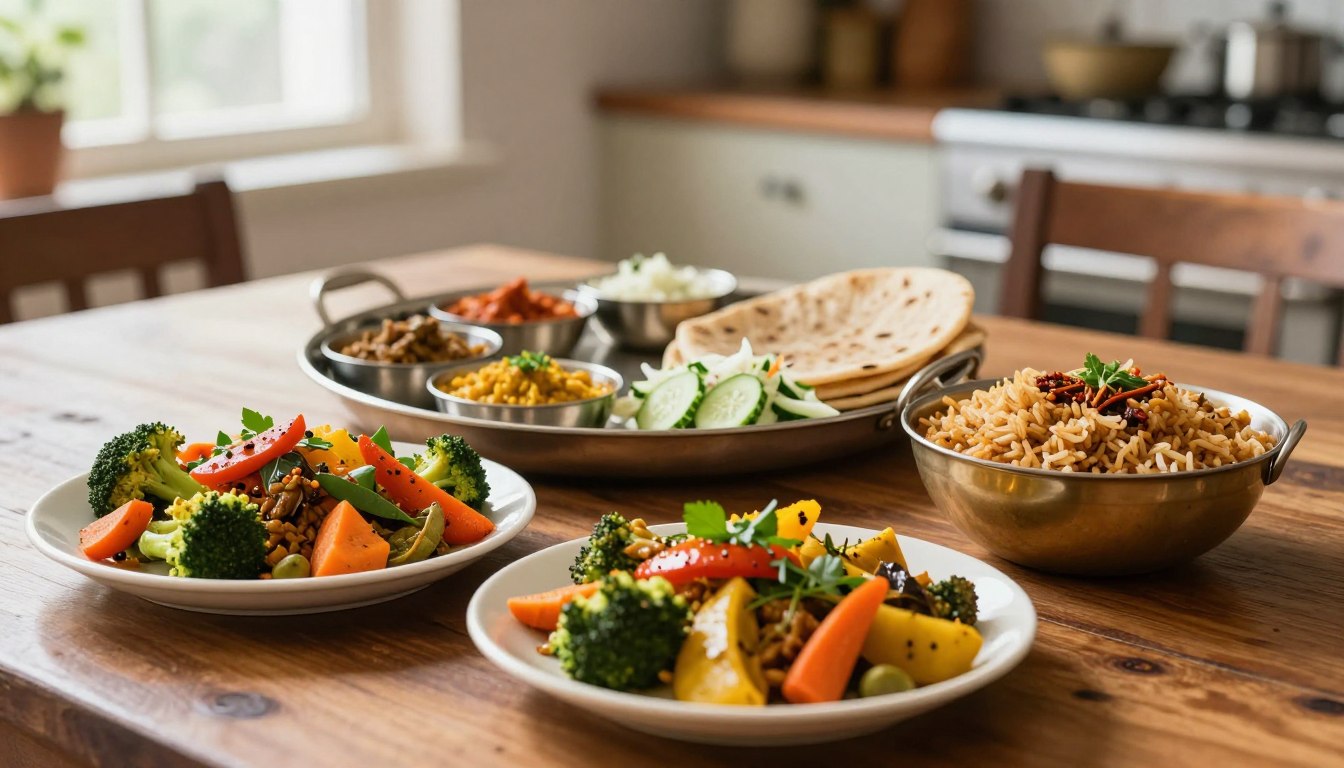
Is Indian Food Healthy? Exploring the Good, the Bad, and the Delicious
I often find myself craving the vibrant spices and complex aromas of a home-cooked meal from South Asia. Yet, I frequently hear friends ask if this cuisine fits into a balanced lifestyle. Many worry that heavy cream and butter dominate every dish, making it difficult to maintain wellness goals.
It is time to clear up these common misconceptions. While some restaurant versions rely on rich additives, the reality of traditional cooking tells a different story. When prepared with authentic techniques, these meals offer incredible nutritional value.
Understanding the core components of this ancient culinary tradition allows you to enjoy every bite without guilt. By choosing fresh ingredients and mindful preparation, you can transform your kitchen into a space for nourishment. Let us explore how to navigate these flavors while keeping your diet healthy and satisfying.
Table of Contents
The Nutritional Landscape of Indian Cuisine
Exploring the nutritional landscape of Indian cuisine reveals why it has sustained generations with such vitality. I find that the true magic of this food culture lies in its ancient roots, specifically the Ayurvedic tradition. This holistic system views food as medicine, aiming to create perfect harmony between the body, mind, and spirit.
When I analyze the benefits of indian cuisine, I am always impressed by how it prioritizes fresh, whole ingredients. By focusing on seasonal produce and natural balance, these meals provide a dense profile of vitamins and minerals that modern diets often lack.
Understanding the Core Components
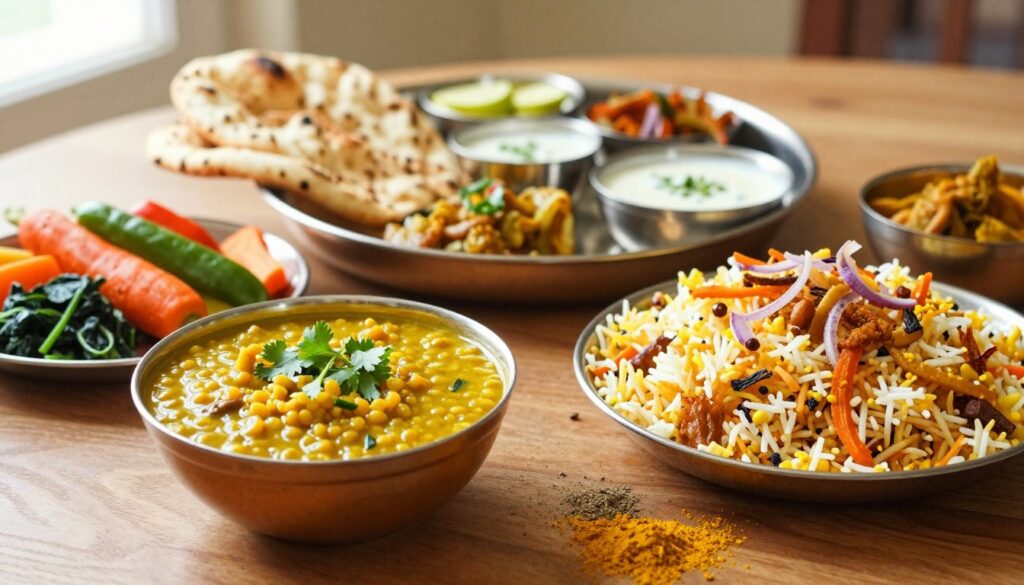
The foundation of a traditional Indian meal is built upon three pillars: legumes, whole grains, and fresh vegetables. These ingredients work together to provide a complete amino acid profile, which is essential for muscle repair and sustained energy levels.
Unlike processed alternatives, these staples are packed with dietary fiber. This fiber aids digestion and helps maintain stable blood sugar levels throughout the day. I often recommend these components to anyone looking to improve their overall health through simple, plant-forward eating.
| Component | Primary Benefit | Nutrient Density |
|---|---|---|
| Lentils (Dal) | Plant-based protein | High |
| Turmeric | Anti-inflammatory | High |
| Whole Grains | Complex carbohydrates | Moderate |
The Role of Spices in Daily Nutrition
Spices are far more than just flavor enhancers in the Indian kitchen. They are functional ingredients that carry significant medicinal properties, often used to balance the body’s internal systems. Incorporating these spices is one of the most accessible benefits of indian cuisine for the home cook.
“Let food be thy medicine and medicine be thy food.”
From the warming properties of ginger to the digestive aid of cumin, every spice serves a specific purpose. I believe that by mastering these traditional combinations, you can transform a standard meal into a therapeutic experience. These spices not only elevate the taste but also boost the bioavailability of the nutrients in your food.
Is Indian Food Healthy? Breaking Down the Myths
Is indian food healthy? The answer is more nuanced than you might think when you look past the restaurant menu. Many people assume that every dish is heavy or calorie-dense, but this reputation often stems from commercial dining rather than traditional home cooking.
Separating Authentic Traditions from Restaurant Adaptations
A significant portion of the “heavy” reputation associated with Indian cuisine comes from the colonial era. During that time, many rich, cream-based sauces were developed specifically to appeal to British palates. These adaptations strayed far from the lighter, spice-forward preparations that define authentic Indian meals.
When you dine at home, you are likely to find a much different nutritional profile. Traditional cooking relies on legumes, vegetables, and lean proteins rather than heavy dairy. Consider these common differences:
- Authentic Home Cooking: Focuses on lentils, seasonal vegetables, and light tempering with minimal oil.
- Restaurant Adaptations: Often relies on heavy cream, butter, and excessive oil to create a rich mouthfeel.
- Flavor Profiles: Traditional dishes emphasize the vibrant complexity of spices rather than fat-based richness.
The Impact of Portion Sizes and Caloric Density
Beyond the ingredients themselves, the environment in which we eat plays a major role in our health. Modern restaurant portions are frequently much larger than what a person would consume in a standard home setting. This increase in volume naturally leads to a higher caloric density per meal.
If you are asking yourself, “is indian food healthy,” it is helpful to consider how much you are actually eating. By being mindful of portion sizes and choosing dishes that prioritize vegetables and pulses, you can enjoy the incredible flavors of Indian cuisine without the extra calories. Making informed choices allows you to bridge the gap between restaurant indulgence and a balanced, nutritious diet.
Harnessing the Power of Authentic Indian Spices
Beyond their vibrant colors and aromas, authentic indian spices serve as potent medicinal allies in my kitchen. I believe that these ingredients are the true heart of traditional cooking, offering far more than just bold flavors for your palate. By integrating these plant-based powerhouses into your daily meals, you can easily enhance the nutritional profile of your diet.
Health Benefits of Turmeric and Curcumin
One of the most researched ingredients in my pantry is turmeric. The health benefits of turmeric in indian food are largely attributed to curcumin, a compound known for its impressive anti-inflammatory properties. I often enjoy this spice in the form of golden milk, which is a soothing way to incorporate its healing potential into my evening routine.
Anti-Inflammatory Properties of Ginger and Garlic
Ginger and garlic are staples that I rely on to provide a strong immune boost. These ingredients work together to reduce inflammation throughout the body, making them essential for long-term wellness. Adding fresh ginger and minced garlic to your curries or stir-fries is a simple, effective way to support your body’s natural defenses.
Digestive Advantages of Cumin and Fennel
After a hearty meal, I often turn to cumin and fennel to settle my stomach. These traditional spices are widely recognized for their ability to improve gut health and ease digestion. You can easily incorporate them into your cooking or even chew on a few fennel seeds after eating to experience these benefits firsthand.
- Cumin: Known to stimulate digestive enzymes and improve nutrient absorption.
- Fennel: Acts as a natural carminative to reduce bloating and discomfort.
- Turmeric: Provides a powerful anti-inflammatory boost to every dish.
- Ginger and Garlic: Essential for supporting a robust immune system.
By choosing authentic indian spices, you transform your cooking from a simple task into a health-conscious practice. I find that even small adjustments to my spice usage lead to noticeable improvements in how I feel after dining. Start experimenting with these ingredients today to unlock their full potential.
Navigating the Menu for Nutrient-Rich Indian Dishes
Navigating a menu filled with rich aromas and complex flavors can feel overwhelming when you are trying to eat well. However, I have found that with a few simple strategies, you can easily identify nutrient-rich Indian dishes that satisfy your cravings. By focusing on preparation methods and ingredient quality, you can enjoy a wholesome meal without feeling restricted.
Identifying Lean Protein Options
When I look for protein, I always scan the menu for items prepared in a tandoor, or traditional clay oven. Tandoori chicken is a fantastic choice because the high heat cooks the meat quickly while allowing excess fat to drip away. This method provides a smoky, authentic flavor without the need for heavy oils or deep-frying.
I also recommend looking for kebabs or grilled fish dishes. These options are typically marinated in yogurt and spices, which keeps the protein tender and flavorful. Avoiding breaded or fried starters is a simple way to keep your meal light and healthy.
Selecting Vegetable-Forward Entrees
Indian cuisine is famous for its incredible variety of plant-based meals. I love choosing dishes that highlight lentils, chickpeas, or fresh seasonal vegetables. These nutrient-rich indian dishes are packed with fiber and essential vitamins that keep you feeling full and energized.
Look for options like dal tadka or chana masala, which are hearty and satisfying. If you enjoy greens, dishes featuring spinach or cauliflower are excellent ways to increase your vegetable intake. Always ask for sauces that are tomato-based rather than cream-based to keep the calorie count in check.
Smart Swaps for Breads and Sides
Traditional sides can often be the hidden source of extra calories in a meal. Instead of ordering large portions of garlic naan, which is often brushed with butter, I suggest opting for roti or chapati. These are typically made with whole wheat flour and are much lighter than their leavened counterparts.
When it comes to rice, a small portion of basmati rice is perfectly fine. You can also ask for a side of cucumber raita to add a cooling, probiotic-rich element to your plate. Making these small, intentional swaps helps you maintain a balanced approach to your dining experience.
| Menu Item | Preparation Style | Health Benefit |
|---|---|---|
| Tandoori Chicken | Clay Oven Grilled | Low Fat Content |
| Dal (Lentils) | Slow Cooked | High Fiber & Protein |
| Roti | Whole Wheat | Complex Carbohydrates |
| Vegetable Curry | Tomato-Based | Rich in Antioxidants |
How to Prepare Healthy Indian Cooking at Home
Preparing traditional indian recipes at home allows you to take full control over your health and nutrition. By selecting your own ingredients, you can easily avoid the excess salt and heavy fats often found in restaurant versions. I find that implementing a few healthy indian cooking tips makes the entire process both rewarding and delicious.
Step One: Choosing Healthier Cooking Fats
The foundation of any great dish starts with the fat you use for sautéing. Many traditional indian recipes rely on ghee, but you can swap this for heart-healthy alternatives to improve your daily intake. I recommend using oils with a high smoke point to keep your meals light and nutritious.
Consider these options for your kitchen:
- Avocado oil for its neutral flavor and high heat tolerance.
- Mustard oil, which provides a distinct, authentic pungency.
- Cold-pressed coconut oil in small, measured amounts for specific regional dishes.
Step Two: Mastering the Art of Tempering Spices
Tempering, or tadka, is the essential technique of blooming whole spices in hot oil to release their aromatic oils. This process adds deep, complex flavors to your food without needing extra salt or cream. When you master this skill, you unlock the true potential of your spices while keeping your cooking light.
Start by heating a small amount of oil and adding seeds like cumin, mustard, or fenugreek. Once they begin to pop, add your aromatics like ginger or garlic. This simple step is one of my favorite healthy indian cooking tips for building flavor from the ground up.
Step Three: Incorporating Whole Grains and Legumes
A balanced Indian meal is incomplete without the inclusion of fiber-rich legumes and wholesome grains. When you pair lentils with rice, you create a complete protein source by providing all nine essential amino acids. This combination is a staple in many households because it is both satisfying and incredibly nourishing.
I encourage you to experiment with brown rice, quinoa, or millet instead of refined white rice to boost your fiber intake. By focusing on these nutrient-dense ingredients, you ensure that your home-cooked meals support your long-term wellness goals.
Balancing Flavors in Indian Dishes for Better Health
I believe that the true magic of Indian cooking lies in the delicate harmony of spices and fresh ingredients. When I look at a traditional thali, I see a perfect nutritional model that provides protein, vitamins, probiotics, and fiber in one sitting. Mastering the art of balancing flavors in indian dishes allows you to enjoy these complex profiles while supporting your long-term health goals.
Reducing Sodium Without Sacrificing Taste
Many people worry that cutting back on salt will lead to bland meals, but that is rarely the case. I often rely on authentic indian spices and bright acids to wake up the palate. A squeeze of fresh lemon juice or a pinch of dried mango powder, known as amchur, can provide a tangy punch that makes you forget the salt shaker entirely.
“The secret to great cooking is not just the ingredients, but the way you layer them to create a symphony of taste.”
Managing Cream and Coconut Milk Usage
Rich, velvety gravies are a hallmark of restaurant-style cooking, but they are often loaded with saturated fats. I prefer to swap heavy cream for blended cashews or thick, Greek-style yogurt to achieve that signature creaminess. If you are preparing a coconut-based curry, try using a smaller amount of coconut milk mixed with pureed cauliflower or onions to maintain the body of the sauce without the extra calories.
Enhancing Sweetness Naturally
You do not need refined sugars to add depth and a touch of sweetness to your favorite recipes. I find that incorporating naturally sweet ingredients like soaked dates, raisins, or even grated carrots can elevate the flavor profile of a dish significantly. These additions provide a wholesome alternative that keeps your blood sugar stable while satisfying your cravings for something slightly sweet.
- Use fresh herbs like cilantro and mint to add brightness.
- Roast your spices to unlock deeper, more complex aromas.
- Experiment with vegetable purees to thicken sauces naturally.
Creating a Nutritious Vegetarian Indian Meal
I love how Indian cuisine naturally celebrates plant-based ingredients in every bite. By focusing on whole foods, you can easily prepare nutrient-rich indian dishes that satisfy your hunger and nourish your body. Designing a nutritious vegetarian indian meal is a rewarding way to enjoy bold flavors while maintaining a healthy lifestyle.
The Importance of Protein Pairing
Many people worry about getting enough protein when eating meat-free meals. The secret lies in protein pairing, which involves combining different plant sources to ensure you receive all essential amino acids. For example, pairing lentils or beans with brown rice creates a complete protein profile that keeps you full for hours.
“Let food be thy medicine and medicine be thy food.”
Incorporating Fiber-Rich Lentils and Beans
Legumes are the backbone of many traditional recipes and offer incredible health benefits. I often reach for rajma, or kidney bean curry, because it is packed with fiber and plant-based protein. These ingredients help stabilize blood sugar levels and support long-term digestive health.
- Lentils (Dal): Excellent for quick, protein-packed soups.
- Chickpeas (Chana): Versatile for salads or hearty stews.
- Kidney Beans (Rajma): Perfect for fiber-dense, filling meals.
Maximizing Micronutrients with Seasonal Vegetables
To truly elevate your cooking, you should prioritize fresh, seasonal produce. Dishes like aloo gobi, which features cauliflower and potatoes, provide a wonderful way to enjoy vegetables while absorbing vital vitamins. By choosing ingredients at their peak, you ensure that your nutrient-rich indian dishes are as vibrant as they are healthy.
Adding a variety of colors to your plate is the best way to maximize your intake of antioxidants. Whether you are roasting greens or simmering them in a light spice blend, every bite contributes to a nutritious vegetarian indian meal that keeps you energized throughout the day.
Common Pitfalls to Avoid When Dining Out
Many people wonder if Indian food is healthy when they see the wide variety of rich, flavorful dishes on a restaurant menu. While the cuisine offers incredible depth, some restaurant preparations can hide extra calories that might derail your goals. I find that staying mindful of a few specific menu items makes a world of difference.
Hidden Calories in Fried Appetizers
It is easy to get tempted by the crispy, golden exterior of popular appetizers like samosas or pakoras. While these snacks are undeniably delicious, they are typically deep-fried in large batches of oil. Choosing these items in moderation is key, as they often pack a significant caloric punch before your main course even arrives.
The Truth About Heavy Cream-Based Sauces
Many classic restaurant dishes rely on heavy cream, butter, or ghee to create a rich, velvety texture. Sauces like those found in butter chicken or certain kormas can be surprisingly high in saturated fats. I often look for tomato-based or lentil-based curries instead, which provide vibrant flavor without the heavy dairy load.
Managing Carbohydrate Intake with Naan and Rice
Bread and rice are staples of the dining experience, but they can quickly increase your total carbohydrate intake. I recommend asking if the restaurant offers whole wheat roti instead of white flour naan. If you choose to enjoy rice, sticking to a smaller portion or sharing a serving with a friend is a great way to keep your meal balanced. Ultimately, knowing how to navigate these choices helps confirm that yes, is indian food healthy when you approach it with a bit of awareness.
Adapting Traditional Indian Recipes for Modern Diets
I often find that adapting traditional Indian recipes is the best way to keep my favorite flavors alive while meeting my current dietary needs. It is entirely possible to enjoy the deep, complex profiles of these meals while balancing flavors in Indian dishes to suit a modern, health-conscious lifestyle.
Modifying Recipes for Low-Carb Lifestyles
When I want to reduce the carbohydrate content of a meal, I look at the base of the sauce. Many classic curries rely on heavy cream, which adds unnecessary calories and carbs.
Instead, I prefer using thick, plain Greek yogurt. It provides that signature creamy texture while adding a boost of protein to the dish.
Plant-Based Alternatives for Dairy-Heavy Dishes
If you are following a plant-based diet, you do not have to sacrifice the richness of your favorite meals. I frequently swap heavy dairy for creamy cashew paste or unsweetened almond milk.
These alternatives blend seamlessly into tomato-based gravies. They offer a velvety mouthfeel that mimics traditional dairy without the heavy saturated fats.
Techniques for Lowering Glycemic Impact
Managing the glycemic impact of a meal is all about the choice of grains and preparation methods. I often replace white basmati rice with cauliflower rice or high-fiber quinoa to keep my blood sugar stable.
Cooking legumes until they are tender but still firm also helps. This simple change ensures that you are balancing flavors in Indian dishes while maintaining a steady energy level throughout the day.
| Traditional Ingredient | Modern Swap | Health Benefit |
|---|---|---|
| Heavy Cream | Greek Yogurt | Higher Protein |
| White Rice | Cauliflower Rice | Lower Glycemic Index |
| Ghee | Avocado Oil | Heart-Healthy Fats |
| Naan Bread | Lentil Flatbread | Increased Fiber |
By making these small, intentional changes to traditional Indian recipes, you can create a sustainable way of eating. These adjustments ensure that your kitchen remains a place of joy and health for years to come.
Practical Tips for Mindful Indian Dining
Developing a mindful approach to your favorite Indian dishes can transform how you feel after a meal. It is about more than just the food on your plate; it is about how you interact with your meal and listen to your body. By applying a few healthy indian cooking tips, you can enjoy these vibrant flavors while maintaining your wellness goals.
Portion Control Strategies
Indian cuisine is often served family-style, which can make it easy to lose track of how much you have consumed. I recommend sharing dishes with friends or family to sample a variety of flavors without overeating. If you are dining out, do not hesitate to ask for a container to pack half of your meal before you even start eating.
This simple habit helps you manage your caloric intake while ensuring you have a delicious lunch for the next day. Focusing on the quality of each bite rather than the quantity on your plate is a key step toward mindful eating.
Pairing Meals with Hydrating Beverages
Spicy dishes can sometimes leave your palate feeling overwhelmed, making the right beverage choice essential. I find that pairing your meal with cooling options like cucumber-infused water or a light lassi helps soothe the palate. These drinks provide hydration and balance the intensity of the spices.
Avoid sugary sodas that can spike your blood sugar levels after a heavy meal. Instead, opt for herbal teas or plain water to aid your digestion throughout the dining experience.
Listening to Your Body After a Spicy Meal
It is important to pay attention to how your body reacts to different ingredients. For instance, chillies, when taken in moderation, help increase metabolism and release endorphins, which can leave you feeling energized. You might also notice the health benefits of turmeric in indian food, as this powerful spice is known for its anti-inflammatory properties.
If you feel sluggish or uncomfortable, take note of the specific dishes or spice levels that triggered that reaction. Understanding the health benefits of turmeric in indian food and other spices allows you to tailor your future meals to your unique needs. Listening to your body is the ultimate tool for a sustainable and enjoyable relationship with food.
Conclusion
Indian cuisine represents a vast, flavorful world that offers incredible rewards when approached with knowledge and balance. You can transform your daily eating habits by focusing on fresh ingredients and anti-inflammatory spices. These simple shifts unlock the true benefits of indian cuisine for your long-term wellness.
I encourage you to experiment with new recipes in your own kitchen. Preparing a nutritious vegetarian indian meal allows you to control the quality of fats and the amount of sodium in every bite. You gain full authority over your health while enjoying bold, aromatic profiles.
Your journey toward better eating does not require giving up the foods you love. Small adjustments to portion sizes and ingredient choices make a significant impact on your vitality. I hope this guide empowers you to make smarter decisions at your favorite local spots like Tandoori Flame or during your next home cooking session.
The beauty of this culinary tradition lies in its ability to nourish both the body and the soul. Share your favorite healthy adaptations with friends or family to spread the joy of mindful eating. I look forward to hearing how these vibrant, wholesome dishes improve your daily life.
FAQ
Understanding the Core Components
In my kitchen, I focus on the building blocks of a nutritious vegetarian indian meal: legumes, whole grains, and a colorful array of vegetables. These core components provide the fiber and complex carbohydrates that modern diets often lack. By prioritizing these nutrient-rich indian dishes, I ensure my body receives a steady stream of energy and essential micronutrients.
The Role of Spices in Daily Nutrition
I don’t just use spices for heat; I use them for health. Every pinch of authentic indian spices serves a functional purpose. From aiding digestion to providing antioxidants, these ingredients transform a simple meal into a powerful tool for wellness.
Separating Authentic Traditions from Restaurant Adaptations
It breaks my heart when people dismiss Indian food as “unhealthy” because they’ve only tried cream-laden restaurant dishes. I’ve learned that many of these rich recipes were created for foreign palates. True Indian home cooking is actually quite light and vegetable-forward.
The Impact of Portion Sizes and Caloric Density
I’ve noticed that restaurant portions can be overwhelming. When I eat out, I’m mindful of how many pieces of bread I consume, as the caloric density of large naan portions can quickly add up, distracting from the healthier aspects of the meal.
Health Benefits of Turmeric and Curcumin
One of the most significant health benefits of turmeric in indian food is its high concentration of curcumin. I always include a pinch of black pepper with my turmeric to maximize its anti-inflammatory potential.
Anti-Inflammatory Properties of Ginger and Garlic
I rely on the combination of fresh ginger and garlic in almost every base. These aren’t just aromatics; they are my go-to ingredients for boosting my immune system and fighting internal inflammation.
Digestive Advantages of Cumin and Fennel
After a heavy meal, I often chew on fennel seeds or sip on cumin-infused water. These authentic indian spices are traditional remedies that I find incredibly effective for soothing the gut and preventing bloating.
Identifying Lean Protein Options
When I’m dining out, I look for “Tandoori” options. Since dishes like Tandoori chicken are roasted in a clay oven, they require very little oil compared to fried alternatives.
Selecting Vegetable-Forward Entrees
I prioritize dishes like Baingan Bharta (roasted eggplant) or Bhindi Masala (okra). These nutrient-rich indian dishes allow me to enjoy the full flavor profile of the cuisine without excessive saturated fats.
Smart Swaps for Breads and Sides
I often swap refined white flour naan for Tandoori Roti, which is made from whole wheat. It’s a simple change that adds more fiber to my plate.
Step One: Choosing Healthier Cooking Fats
In my own healthy indian cooking tips, I advocate for using high-quality fats. I might use a small amount of Amul ghee for flavor, but I often reach for avocado oil or mustard oil to keep the heart-healthy fats in balance.
Step Two: Mastering the Art of Tempering Spices
Tempering, or Tadka, is the secret to flavor. I bloom my spices in just a teaspoon of hot oil at the very end of cooking to lock in the aroma without needing to deep-fry my ingredients.
Step Three: Incorporating Whole Grains and Legumes
I make it a point to use whole grains like Aashirvaad whole wheat flour or brown basmati rice. Combining these with lentils ensures I’m getting a complete protein source in every meal.
Reducing Sodium Without Sacrificing Taste
When balancing flavors in indian dishes, I use acidity—like a squeeze of fresh lime or a dash of amchur (dried mango powder)—to brighten the food, which allows me to use much less salt.
Managing Cream and Coconut Milk Usage
I’ve found that I can achieve a creamy texture by blending a few cashews or using a dollop of Greek yogurt instead of heavy cream or full-fat coconut milk.
Enhancing Sweetness Naturally
Instead of refined sugar, I use caramelized onions or a few raisins to add a hint of sweetness to my savory curries.
The Importance of Protein Pairing
I always pair my dals with a grain. This protein pairing is essential in a nutritious vegetarian indian meal to ensure I am getting all the amino acids my body requires.
Incorporating Fiber-Rich Lentils and Beans
Lentils are the backbone of my diet. They are packed with fiber, which keeps me full and helps regulate my blood sugar levels throughout the day.
Maximizing Micronutrients with Seasonal Vegetables
I love visiting the local farmers’ market to find seasonal greens to stir into my Saag. Using fresh, local produce maximizes the vitamin content of my curries.
Hidden Calories in Fried Appetizers
I try to avoid the samosas and pakoras, as these deep-fried starters can contain as many calories as an entire entree. I prefer starting with a light lentil soup or a sprout salad.
The Truth About Heavy Cream-Based Sauces
I’ve learned to be wary of “Makhani” or “Shahi” labels on menus. These usually indicate a very high cream and butter content that can be quite taxing on digestion.
Managing Carbohydrate Intake with Naan and Rice
It’s easy to overeat carbs when there’s a basket of bread on the table. I usually pick one—either a small portion of rice or one roti—to keep my meal balanced.
Modifying Recipes for Low-Carb Lifestyles
When I want a low-carb meal, I’ll serve my curry over steamed cabbage or cauliflower rice. It still carries all those authentic indian spices beautifully.
Plant-Based Alternatives for Dairy-Heavy Dishes
I often substitute paneer with extra-firm tofu. It absorbs the spices perfectly and provides a great plant-based protein alternative.
Techniques for Lowering Glycemic Impact
I include plenty of non-starchy vegetables and lean proteins in my meals, which helps in lowering the glycemic impact and prevents the “sugar crash” often associated with high-carb meals.
Portion Control Strategies
I like to use the Thali method, even at home. By placing small portions of various dishes on one plate, I can visually see my food variety and prevent overeating.
Pairing Meals with Hydrating Beverages
I always have a glass of water or a thin, salted buttermilk (Chaas) nearby. This helps me stay hydrated and aids the digestion of more complex spice blends.
Listening to Your Body After a Spicy Meal
I pay close attention to how my body reacts to different heat levels. This mindful approach allows me to enjoy the flavors I love without causing discomfort later on.
Is Indian food healthy to eat every day?
I believe it is! When you follow traditional indian recipes that focus on lentils, vegetables, and authentic indian spices, you are eating one of the most balanced diets in the world. The key is to avoid the heavy oils and creams found in some restaurant styles and focus on home-cooked methods.
What are the main benefits of indian cuisine for heart health?
The primary benefits of indian cuisine come from the use of garlic, ginger, and fiber-rich legumes. These ingredients are known to help manage cholesterol and blood pressure. Additionally, healthy indian cooking tips like using mustard oil or olive oil can further support cardiovascular wellness.
How can I make a nutritious vegetarian indian meal that is filling?
I always suggest focusing on nutrient-rich indian dishes like *Chana Masala* or *Dal Tadka*. By combining these fiber-rich beans and lentils with whole grains, you create a satisfying meal that provides long-lasting energy and keeps you full.
What are the health benefits of turmeric in indian food specifically?
Turmeric is a powerhouse! The health benefits of turmeric in indian food include its potent anti-inflammatory and antioxidant effects. I make sure to include it in my daily cooking to help support joint health and overall immunity.
Do you have any tips for balancing flavors in indian dishes without using sugar?
Absolutely. When I am balancing flavors in indian dishes, I use natural sweeteners like grated carrots, pureed onions, or even a bit of sweet potato. These provide a subtle sweetness that complements the heat of the spices without the need for refined sugar.
Is it possible to find low-calorie options when dining out?
Yes, I always look for nutrient-rich indian dishes that are steamed or grilled. Choosing *Tandoori* proteins and asking for “yellow dal” (which is usually less creamy than *Dal Makhani*) are great ways to keep your calorie count in check while enjoying authentic flavors.