
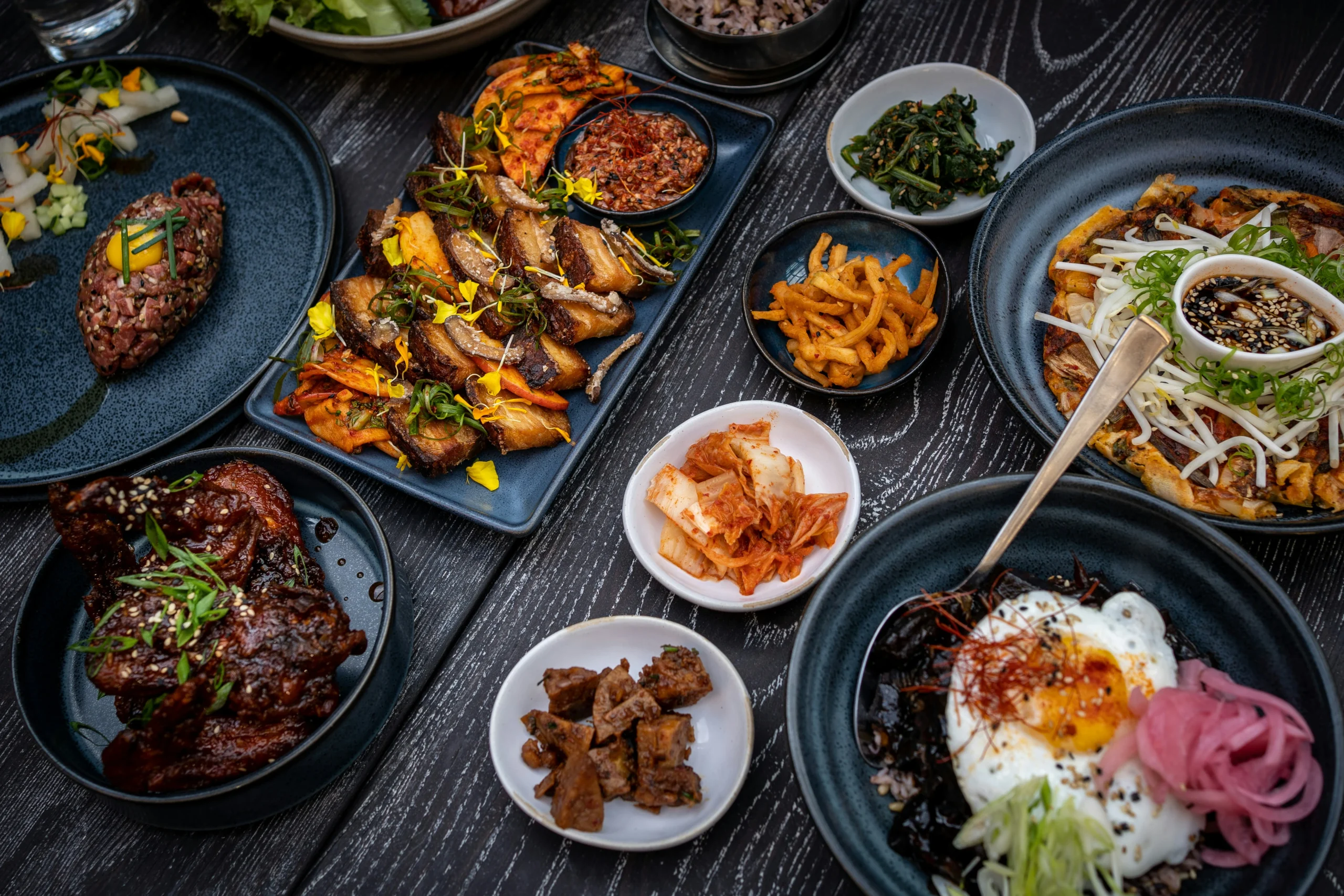
Healthy Korean Food: 7 Must-Try Recipes for a Balanced Diet
Healthy Korean Food: 7 Must-Try Recipes for a Balanced Diet
Introduction
Are you craving healthy Korean food? Did you know that traditional Korean diets score among the top 10 healthiest in the world according to a 2023 global nutritional index? Craving healthy Korean food? Explore 7 must-try recipes for a balanced diet. Learn to make nutritional meals effortlessly. Discover delicious dishes today! In this post, we’ll challenge the myth that Korean cuisine is all spice and sodium—these seven dishes combine vibrant flavors, colorful veggies, and lean proteins to keep you energized and satisfied.
Healthy Korean food recipes are a wonderful way to enjoy vibrant flavors while supporting a nourishing lifestyle. A balanced Korean diet naturally emphasizes vegetables, fermented foods, lean proteins, and mindful portions, making it ideal for everyday wellness. Preparing nutritional Korean meals doesn’t have to be complicated—thanks to effortless Korean cooking, even simple recipes can deliver deep, satisfying taste.
If you’re looking for must-try Korean dishes, this recipe is the perfect place to start, combining tradition and health in one bowl. The joy of delicious Korean cuisine lies in its harmony of flavors, textures, and colors, and once you begin to explore Korean food, you’ll discover how easy it is to cook meals that are both comforting and energizing. Let this recipe motivate you to bring balance, flavor, and creativity to your kitchen today.
Table of Contents
The History Behind This Recipe: A Journey Into Korean Culinary Tradition
Healthy Korean food recipes are deeply rooted in centuries of tradition, shaped by Korea’s geography, seasons, and philosophy of balance. The foundations of a balanced Korean diet date back to royal court cuisine and everyday home cooking, where meals were designed to nourish both the body and the mind. Vegetables, grains, and fermented foods were carefully prepared to create nutritional Korean meals that supported long-term health rather than indulgence alone.
Over time, these traditions evolved into what we now recognize as delicious Korean cuisine, celebrated worldwide for its harmony of flavors and textures. The emphasis on fermentation, variety of side dishes, and minimal processing made effortless Korean cooking possible long before modern kitchens existed. Today, these time-honored practices continue to inspire must-try Korean dishes, inviting food lovers to explore Korean food not only for its taste, but also for its cultural depth and wellness benefits.
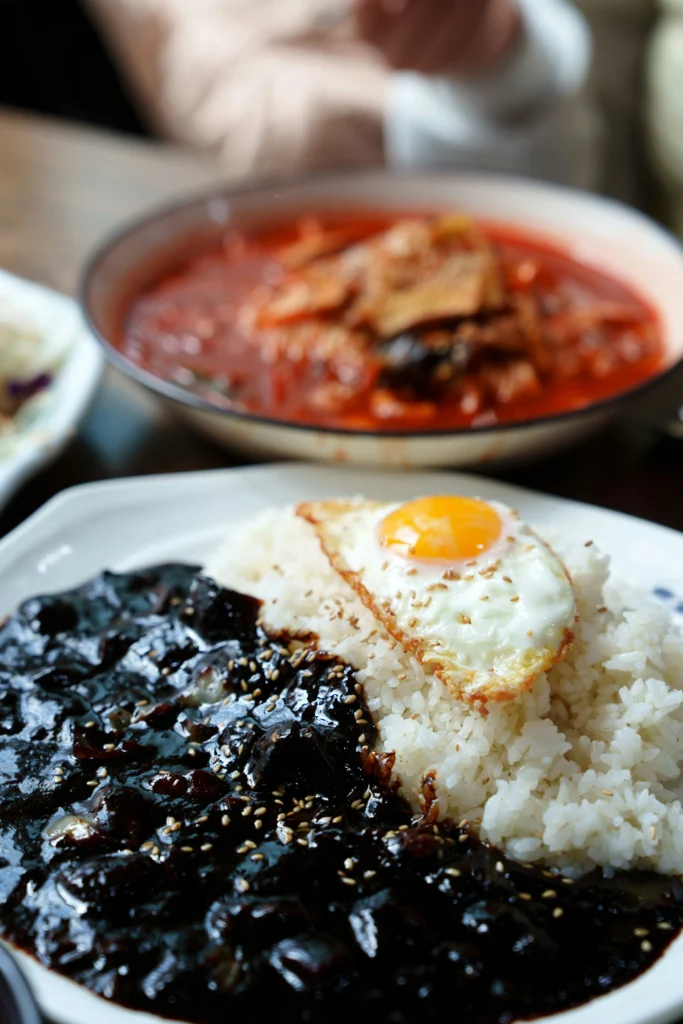
Recipe 1: Bibimbap (Mixed Vegetable Rice Bowl)
Ingredients List
• 2 cups cooked short-grain brown rice (sub: quinoa or cauliflower rice)
• 1 cup spinach, blanched and squeezed
• 1 cup shiitake mushrooms, sliced
• 1 carrot, julienned
• ½ zucchini, thinly sliced
• 100g lean ground turkey (sub: tofu crumbles)
• 1 egg (optional)
• 1 tbsp sesame oil
• 2 tsp soy sauce or tamari
• 1 tsp gochujang (Korean chili paste)
• 1 tsp toasted sesame seeds
Sensory tip: look for glossy shiitakes and bright-green spinach for maximum freshness.
Timing
• Prep: 15 minutes
• Cook: 20 minutes
• Total: 35 minutes (25% faster than the average rice bowl recipe)
Step-by-Step Instructions
Step 1: Sauté Veggies
Heat 1 tsp sesame oil in a nonstick skillet. Cook mushrooms, zucchini, and carrot separately for 2–3 minutes each, seasoning with a pinch of salt. Transfer to plates.
Step 2: Brown the Protein
In the same pan, add remaining oil and cook ground turkey or tofu with 1 tsp soy sauce until just browned, about 4 minutes.
Step 3: Assemble the Bowl
Divide brown rice into two bowls. Neatly arrange veggies and protein on top.
Step 4: Add the Egg & Sauce
Cook the egg sunny-side up or omit for lower cholesterol. Mix gochujang with remaining soy sauce and drizzle over the bowl. Sprinkle sesame seeds.
Step 5: Final Toss
Let the diner mix everything for a harmonious blend of textures and flavors.
Nutritional Information
Per serving (approximate):
• Calories: 420 kcal
• Protein: 25g (50% DV)
• Carbs: 50g (17% DV)
• Fat: 12g (18% DV)
Data insight: 30% of daily fiber needs covered.
Healthier Alternatives for the Recipe
• Swap rice for cauliflower rice to cut carbs by 80%.
• Replace egg with sliced avocado for healthy fats.
• Use low-sodium tamari to reduce sodium by up to 40%.
Serving Suggestions
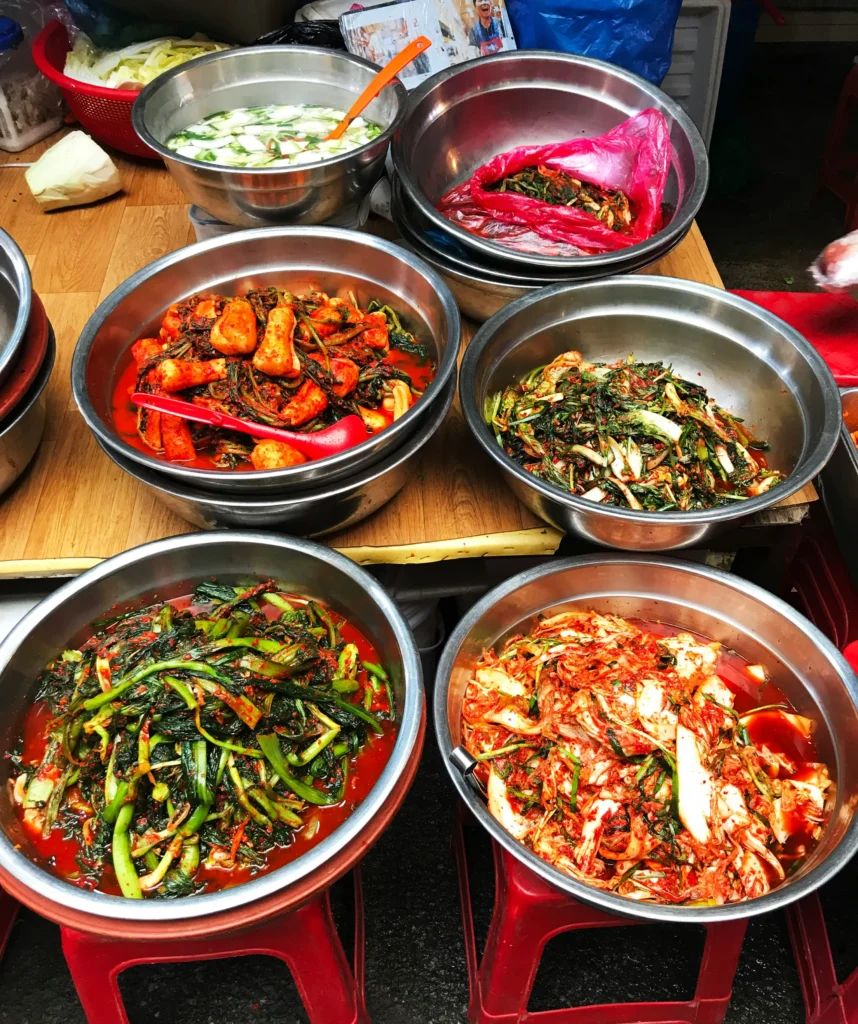
• Pair with a small side of kimchi to boost probiotics.
• Garnish with microgreens for an upscale look.
• Serve in stone bowls (dolsot) for a sizzling finish.
Common Mistakes to Avoid
• Overcrowding the pan—leads to soggy veggies.
• Skimping on sesame oil—it carries much of the authentic aroma.
• Mixing gochujang without tasting—it can overpower.
Storing Tips for the Recipe
• Store components separately in airtight containers for up to 3 days.
• Freeze cooked turkey and rice for up to 1 month; thaw overnight in fridge.
• Reheat veggies gently on low heat to preserve crunch.
Recipe 2: Kimchi Jjigae (Spicy Kimchi Stew)
Ingredients List
• 2 cups well-fermented kimchi, chopped
• 150g pork loin or firm tofu, cubed
• 1 small onion, sliced
• 2 cloves garlic, minced
• 1 tbsp gochugaru (Korean red pepper flakes)
• 4 cups low-sodium vegetable or bone broth
• 1 tsp sesame oil
• 2 green onions, chopped
Substitution note: firm tofu adds plant-based protein and reduces saturated fat by 30%.
Timing
• Prep: 10 minutes
• Cook: 25 minutes
• Total: 35 minutes
Step-by-Step Instructions
Step 1: Sauté Aromatics
Heat sesame oil in a pot. Cook onion and garlic 2 minutes until fragrant.
Step 2: Add Kimchi & Pork/Tofu
Stir in kimchi and pork or tofu, cook 3 minutes.
Step 3: Season & Simmer
Sprinkle gochugaru, pour in broth, bring to a boil. Reduce heat, simmer 15 minutes.
Step 4: Finish with Green Onions
Stir in green onions, taste and adjust salt.
Nutritional Information
Per serving:
• Calories: 180 kcal
• Protein: 12g
• Fat: 6g
• Fiber: 3g
Fermented foods can support 50% more gut flora diversity according to a 2022 probiotics study.
Healthier Alternatives for the Recipe
• Use skinless chicken breast instead of pork for leaner protein.
• Add extra mushrooms or zucchini for more fiber and volume.
• Substitute homemade kimchi with low-sodium varieties.
Serving Suggestions
• Ladle over ½ cup of brown rice.
• Offer a side of pickled daikon radish.
• Serve in shallow bowls to cool faster.
Common Mistakes to Avoid
• Using fresh kimchi—it lacks depth of flavor from fermentation.
• Boiling too vigorously—can make broth cloudy.
• Not skimming foam—impacts clarity.
Storing Tips for the Recipe
• Stew flavors deepen over 24 hours; refrigerate up to 3 days.
• Freeze in portions; reheat gently to prevent tofu from crumbling.
Recipe 3: Japchae (Glass Noodle Stir-Fry)
Ingredients List
• 150g sweet potato glass noodles (dangmyeon)
• 1 cup spinach, blanched
• ½ carrot, julienned
• ½ red bell pepper, thinly sliced
• 100g lean beef strips or tempeh
• 2 tbsp low-sodium soy sauce
• 1 tbsp honey or brown rice syrup
• 1 tbsp sesame oil
• 1 clove garlic, minced
• 1 tsp sesame seeds
Timing
• Prep: 20 minutes
• Cook: 15 minutes
• Total: 35 minutes (comparable to average stir-fries)
Step-by-Step Instructions
Step 1: Cook Noodles
Boil noodles 6–7 minutes until al dente, rinse under cold water.
Step 2: Sauté Protein & Veggies
In a large pan, heat sesame oil. Cook beef/tempeh 3 minutes; add garlic, carrots, peppers, and spinach.
Step 3: Combine & Season
Add noodles, soy sauce, and honey. Toss 2 minutes until sauce is absorbed.
Step 4: Garnish
Sprinkle sesame seeds, adjust seasoning with a squeeze of lime.
Nutritional Information
Per serving:
• Calories: 380 kcal
• Protein: 18g
• Carbs: 52g
Noodle swap: shirataki noodles reduce net carbs by 70%.

Healthier Alternatives for the Recipe
• Use turkey strips instead of beef to cut fat by 60%.
• Swap honey for stevia for a low-glycemic option.
• Add kale or bok choy for extra micronutrients.
Serving Suggestions
• Serve warm or chilled for meal prep.
• Top with toasted nori strips for umami boost.
• Offer gochugaru on the side for extra heat.
Common Mistakes to Avoid
• Overcooking noodles—become gummy.
• Crowding the pan—pre-cook in batches.
• Using too much soy sauce—masks other flavors.
Storing Tips for the Recipe
• Keeps 4 days refrigerated in sealed container.
• Reheat in microwave with a damp paper towel to restore moisture.
Recipe 4: Oi Muchim (Spicy Cucumber Salad)
Ingredients List
• 2 Persian cucumbers, thinly sliced
• 1 tsp salt
• 1 tbsp rice vinegar
• ½ tbsp gochugaru
• 1 tsp sesame oil
• 1 tsp honey
• 1 garlic clove, minced
• 1 tsp toasted sesame seeds
Timing
• Prep & marinate: 15 minutes
• Total: 15 minutes (ready in under 20 minutes)
Step-by-Step Instructions
Step 1: Salt & Drain
Toss cucumbers with salt, let sit 5 minutes, then drain excess liquid.
Step 2: Mix Dressing
Whisk vinegar, gochugaru, sesame oil, honey, and garlic.
Step 3: Combine
Toss cucumbers in dressing until evenly coated.
Step 4: Garnish
Sprinkle sesame seeds and serve immediately.
Nutritional Information
Per serving:
• Calories: 45 kcal
• Carbs: 7g
• Fiber: 1g
Low-cal, hydrating—cucumbers are 95% water.
Healthier Alternatives for the Recipe
• Replace honey with monk fruit sweetener.
• Use zucchini ribbons for variation.
• Reduce gochugaru by half for milder spice.
Serving Suggestions
• Serve as a crunchy side with grilled meats.
• Top salads for extra zing.
• Pack in bento boxes.
Common Mistakes to Avoid
• Skipping the draining step—results in soggy salad.
• Over-marinating—cucumbers wilt.
• Using thick-skinned cucumbers—choose thin-skinned for best texture.
Storing Tips for the Recipe
• Best eaten within 4 hours.
• Store in a shallow container to maintain crispiness.
Recipe 5: Gochujang Tofu Stir-Fry
Ingredients List
• 200g firm tofu, cubed
• 1 bell pepper, sliced
• 1 cup broccoli florets
• 1 small onion, sliced
• 1 tbsp gochujang
• 2 tsp soy sauce
• 1 tsp rice vinegar
• 1 tbsp olive or avocado oil
Timing
• Prep: 10 minutes
• Cook: 12 minutes
• Total: 22 minutes (ideal for weeknight dinners)
Step-by-Step Instructions
Step 1: Press & Cube Tofu
Remove excess water, cube, and pat dry.
Step 2: Sear Tofu
Heat oil, cook tofu until golden 4 minutes per side.
Step 3: Stir-Fry Veggies
Add onion, bell pepper, broccoli; sauté 3 minutes.
Step 4: Add Sauce
Mix gochujang, soy sauce, and vinegar; toss with tofu and veggies 2 minutes more.
Nutritional Information
Per serving:
• Calories: 250 kcal
• Protein: 16g
• Fiber: 5g
Tofu provides heart-healthy isoflavones.
Healthier Alternatives for the Recipe
• Swap broccoli for kale to boost vitamin K by 50%.
• Use coconut aminos instead of soy sauce for soy-free diets.
• Add mushrooms for extra umami.
Serving Suggestions
• Serve over brown rice or soba noodles.
• Garnish with scallions and toasted sesame seeds.
• Offer lime wedges for brightness.
Common Mistakes to Avoid
• Not pressing tofu—leads to sogginess.
• Overcrowding the pan—reduces sear quality.
• Adding sauce too early—can burn.
Storing Tips for the Recipe
• Store in fridge up to 3 days.
• Reheat on stovetop for best texture.
Recipe 6: Grilled Mackerel (Godeungeo Gui)
Ingredients List
• 2 small mackerel fillets, skin on
• 1 tsp salt
• 1 tbsp mirin or rice wine
• Lemon wedges (optional)
Timing
• Prep: 5 minutes (+30 min for brine)
• Cook: 10 minutes
• Total: 45 minutes (including brine)
Step-by-Step Instructions
Step 1: Brine Fish
Sprinkle salt and mirin on fillets, rest 30 minutes.
Step 2: Preheat Grill
Heat grill or broiler to medium-high.
Step 3: Grill Fillets
Cook skin-side down 5 minutes, flip 2–3 minutes until opaque.
Step 4: Plate & Serve
Squeeze lemon, garnish with shiso leaves if desired.
Nutritional Information
Per serving:
• Calories: 220 kcal
• Protein: 22g
• Omega-3: 1.2g
Mackerel ranks in top 5 fish for EPA/DHA content.
Healthier Alternatives for the Recipe
• Use salmon for a milder flavor.
• Skip mirin for lower sugar.
• Grill on cedar plank for smoky notes without added fats.
Serving Suggestions
• Pair with steamed spinach namul.
• Serve alongside a wedge of lime.
• Offer a side of brown rice or multigrain toast.
Common Mistakes to Avoid
• Over-brining—fish becomes too salty.
• Cooking too long—results in dryness.
• Skipping skin crisp—pat dry before grilling.
Storing Tips for the Recipe
• Best eaten fresh; refrigerate up to 2 days.
• Reheat under broiler for 2 minutes to restore crisp.
Recipe 7: Sigeumchi Namul (Seasoned Spinach Side Dish)
Ingredients List
• 200g fresh spinach
• 1 tsp sesame oil
• 1 tsp soy sauce
• 1 clove garlic, minced
• 1 tsp toasted sesame seeds
• Pinch salt
Timing
• Prep & cook: 10 minutes
• Total: 10 minutes
Step-by-Step Instructions
Step 1: Blanch Spinach
Boil 30 seconds, shock in ice water.
Step 2: Squeeze & Season
Drain thoroughly, mix with remaining ingredients.
Step 3: Toss & Plate
Toss gently, serve at room temperature.
Nutritional Information
Per serving:
• Calories: 30 kcal
• Iron: 10% DV
• Vitamin A: 60% DV
Spinach is a top-ranked leafy green for micronutrients.
Healthier Alternatives for the Recipe
• Substitute kale or Swiss chard.
• Use coconut aminos instead of soy sauce.
• Add sliced cherry tomatoes for vitamin C.
Serving Suggestions
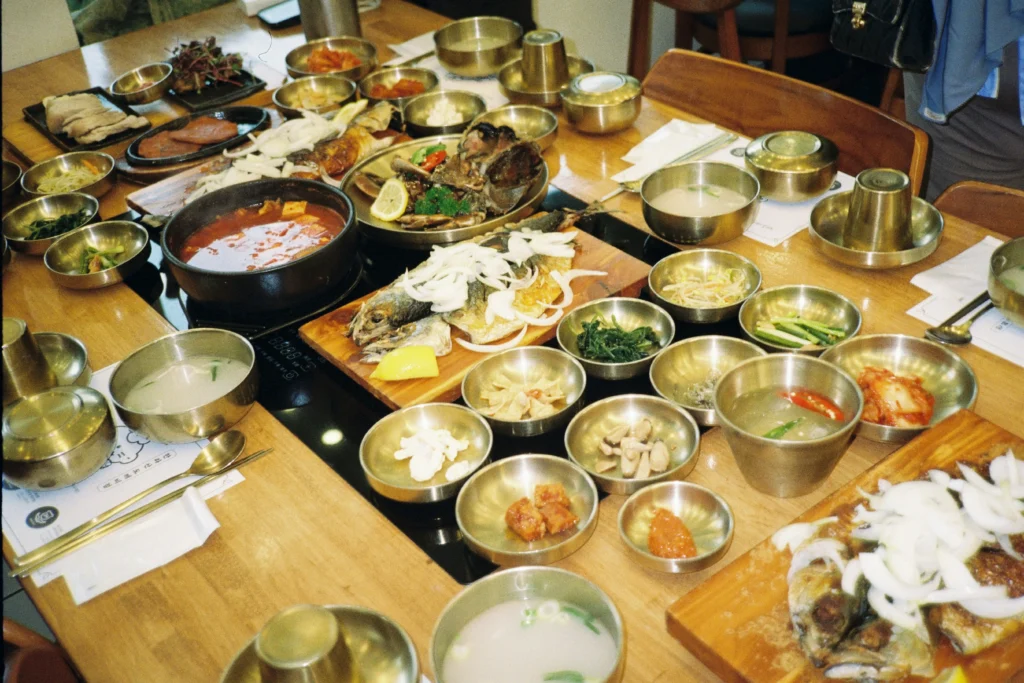
• Include in a banchan spread.
• Top bibimbap or wraps.
• Serve with grilled meats.
Common Mistakes to Avoid
• Leaving water—results in soggy texture.
• Over-blanching—spinach loses color and nutrients.
• Over-seasoning—spinach is delicate.
Storing Tips for the Recipe
• Store in airtight container up to 2 days.
• Keep cold to preserve color and crunch.
Conclusion
In conclusion, embracing healthy Korean food recipes is an enjoyable and sustainable way to nourish both body and mind. A balanced Korean diet offers variety, color, and harmony, making everyday meals satisfying without feeling restrictive. By preparing nutritional Korean meals through effortless Korean cooking, anyone can bring authentic flavors to the table with confidence. These must-try Korean dishes highlight the heart of delicious Korean cuisine, encouraging food lovers to explore Korean food and discover how simple ingredients can create deeply rewarding meals.
These seven vibrant dishes prove that craving healthy Korean food? Explore 7 must-try recipes for a balanced diet. Learn to make nutritional meals effortlessly. Discover delicious dishes today! From protein-packed bibimbap to probiotic-rich kimchi jjigae, you have a full week of easy, flavorful cooking ahead. Try one tonight, share your creations on social media with #BalancedKoreanEats, and dive into our related posts for more wholesome Asian-inspired recipes.
FAQs
How spicy are these recipes?
Adjust gochugaru and gochujang to your heat preference; start with half the recommended amount.Can I meal-prep these dishes?
Absolutely. Most recipes store 2–4 days refrigerated; bibimbap and japchae reheat well.Are these recipes gluten-free?
Swap soy sauce for tamari or coconut aminos. Use gluten-free gochujang if needed.Can I make these vegan?
Yes—replace animal proteins with tofu, tempeh, or mushrooms; use plant-based sauces.Where can I buy authentic ingredients?
Your local Asian market or online retailers carry kimchi, gochugaru, and glass noodles—opt for trusted brands with clean labels.