
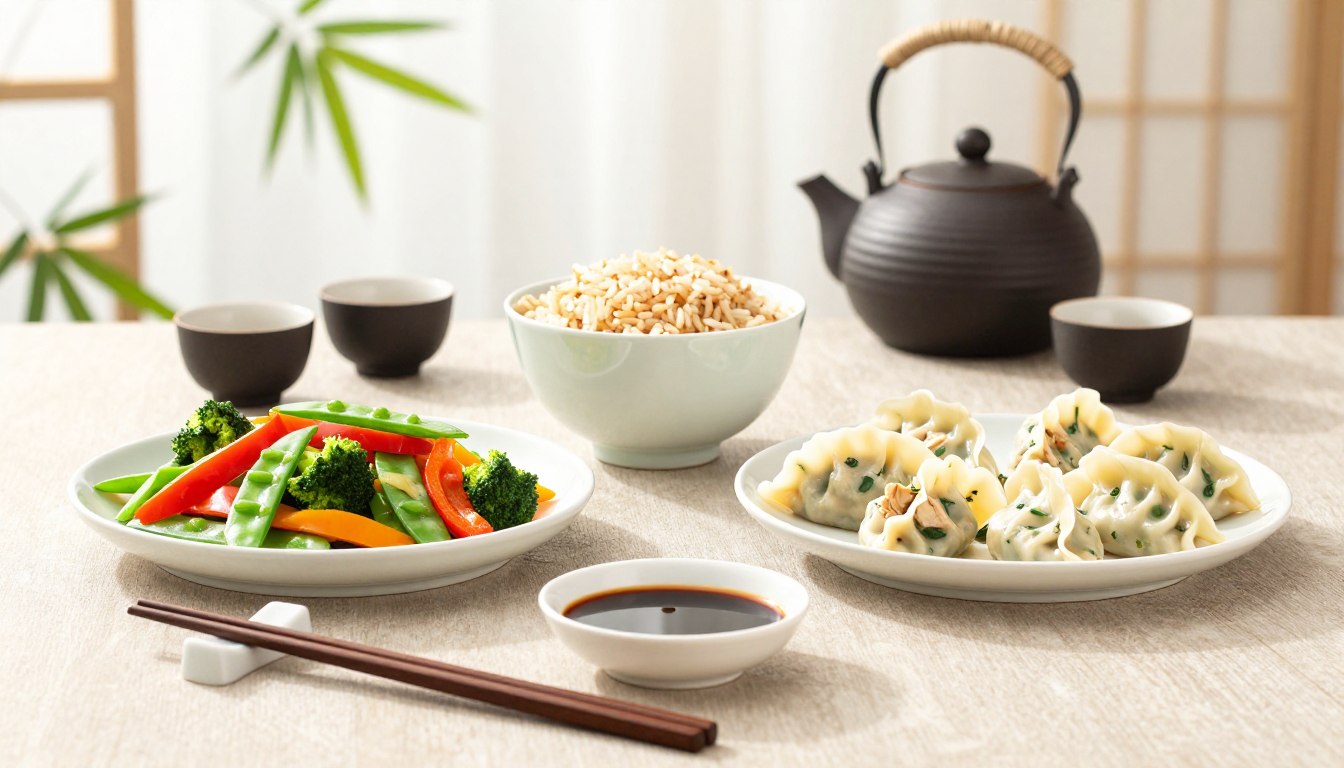
Best Healthy Chinese Food Options for a Balanced Diet
I remember the feeling of craving takeout after a long, exhausting day. It is so easy to reach for the menu, but I often worried about how those heavy dishes would impact my energy levels later that night.
We all deserve to enjoy our favorite flavors without feeling sluggish afterward. The secret lies in understanding how to build nutritious chinese meals that keep you feeling vibrant.
According to dietitian Laura Iu, the main challenge with takeout is the ratio of refined carbs to protein and vegetables. When these are out of balance, you might experience frustrating blood sugar crashes. By making smarter selections, you can maintain a balanced diet while still satisfying those deep cravings.
My goal is to help you navigate menus with total confidence. Let’s explore how you can enjoy these healthy chinese food options while staying aligned with your wellness goals.
Table of Contents
Understanding the Principles of Nutritious Chinese Cuisine
I believe that understanding the core philosophy of Chinese food is the first step toward a healthier lifestyle. Many people associate takeout with heavy oils, but authentic chinese cuisine is actually rooted in a deep respect for natural flavors and seasonal produce. By shifting our focus, we can enjoy meals that are both delicious and incredibly nourishing.
Focusing on Fresh Ingredients and Balanced Macros
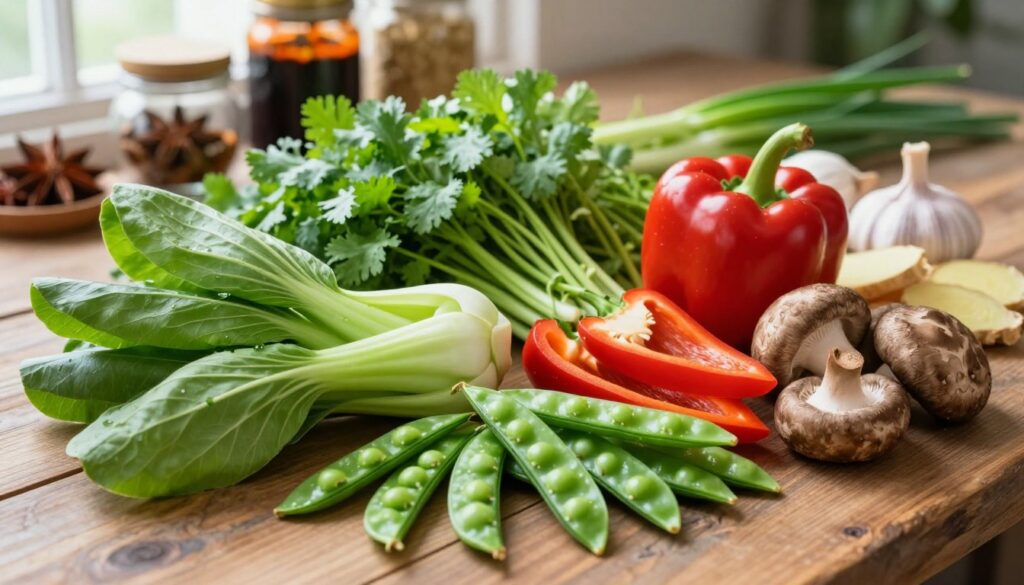
The secret to a truly healthy meal lies in the quality of what you put on your plate. I always prioritize fresh chinese ingredients, such as bok choy, ginger, garlic, and lean proteins like shrimp or chicken breast. These components provide a perfect balance of macronutrients, ensuring you get enough fiber, protein, and essential vitamins in every bite.
When you prioritize whole foods, you naturally reduce your intake of processed additives. A balanced plate in this tradition typically features a large portion of vegetables paired with a moderate amount of high-quality protein. This approach keeps your energy levels stable throughout the day while satisfying your cravings for bold, savory tastes.
Identifying Cooking Methods That Preserve Nutrients
How we prepare our food is just as important as the ingredients we choose. While many Westernized versions rely on deep-frying, authentic chinese cuisine frequently utilizes techniques that lock in nutrients. Steaming is a culturally authentic method that keeps vegetables crisp and proteins tender without adding unnecessary fats.
The following table highlights how different traditional techniques impact the nutritional profile of your meal:
| Cooking Method | Nutrient Retention | Added Fat |
|---|---|---|
| Steaming | High | Very Low |
| Stir-Frying | Medium-High | Low |
| Deep-Frying | Low | High |
By choosing methods like steaming or quick stir-frying, you ensure that your fresh chinese ingredients retain their vibrant color and health benefits. I find that these simple adjustments make a world of difference in how I feel after a meal. Embracing these traditional practices allows you to enjoy the richness of the culture while supporting your long-term wellness goals.
Navigating the Menu for Healthy Chinese Food Options
Walking into a Chinese restaurant often feels like navigating a maze of hidden calories. While the menu might seem overwhelming, I have found that a few simple strategies can help you build a health-conscious chinese menu every time you dine out. By focusing on specific keywords and preparation styles, you can enjoy your meal without compromising your wellness goals.
Decoding Menu Descriptions for Hidden Calories
Many low calorie chinese dishes are hidden behind fancy names that mask heavy ingredients. I always look for descriptions that mention “crispy,” “battered,” or “glazed,” as these usually indicate deep-frying or high-sugar sauces. Instead, I scan the menu for terms like “steamed,” “poached,” or “lightly stir-fried” to ensure I am making the best choice.
If a dish sounds delicious but comes with a thick, glossy sauce, I simply ask for the sauce on the side. This small change allows me to control the amount of sodium and sugar I consume. It is a practical way to enjoy the flavor of the dish while keeping the overall calorie count in check.
Prioritizing Steamed and Stir-Fried Dishes
When I want to stick to healthy chinese food options, I prioritize dishes that rely on fresh vegetables and lean proteins. Steaming is arguably the healthiest method because it preserves the natural nutrients and texture of the food without adding extra fats. Stir-frying is another excellent choice, provided the chef uses a minimal amount of oil and high heat to lock in flavor.
To help you make better decisions, I have compiled a quick guide to common cooking methods found in most restaurants. This table highlights how different techniques impact the nutritional profile of your meal.
| Cooking Method | Health Impact | Best For |
|---|---|---|
| Steamed | Very Low Fat | Vegetables & Fish |
| Stir-Fried | Moderate Fat | Lean Meats & Greens |
| Deep-Fried | High Fat/Calorie | Occasional Treats |
| Braised | High Sodium | Flavorful Stews |
By choosing steamed or stir-fried items, you can easily maintain a health-conscious chinese menu that satisfies your cravings. Remember that you are in charge of your order, and most restaurants are happy to accommodate requests for lighter preparations. These simple adjustments make it much easier to find low calorie chinese dishes that taste great and keep you feeling energized.
Selecting Protein Sources for a Balanced Meal
Selecting the right protein is the secret to creating delicious and healthy Chinese dishes at home or when dining out. When I plan my meals, I focus on ingredients that provide sustained energy and essential nutrients. This approach ensures that every bite contributes to a balanced diet without sacrificing the bold flavors I love.
Choosing Lean Meats and Seafood
I often look for high-quality lean proteins to serve as the centerpiece of my plate. Seafood is a fantastic choice because it is naturally light and packed with benefits. For instance, shrimp provides immune-supporting selenium, which is a great way to boost your health while enjoying a savory meal.
If you prefer red meat, lean beef is an excellent option that offers iron for maintaining steady energy throughout the day. I recommend pairing these proteins with plenty of steamed vegetables to keep the meal light. By choosing these options, you ensure your body receives the fuel it needs to stay active and strong.
Incorporating Plant-Based Proteins Like Tofu and Edamame
Plant-based proteins are another wonderful way to round out your meal. Tofu is incredibly versatile because it absorbs the flavors of ginger, garlic, and soy sauce perfectly. It provides a satisfying texture without the excess saturated fat often found in heavier meat dishes.
I also love adding edamame to my stir-fries or as a quick side dish. These young soybeans are rich in fiber and plant-based protein, making them a nutritious addition to any table. Incorporating these ingredients helps me maintain a healthy lifestyle while still enjoying the authentic taste of my favorite cuisine.
Mastering the Art of Vegetable-Forward Chinese Cooking
Creating delicious and healthy Chinese dishes starts with the quality of your vegetables. I have learned that shifting my focus toward a vegetable-forward style makes every meal feel more satisfying and vibrant. By prioritizing plants, I can easily add fiber and volume to my plate without feeling restricted.
Selecting Nutrient-Dense Vegetables
When I shop for ingredients, I look for produce that offers the most nutritional value. Bok choy is a personal favorite because it is packed with vitamins C and A. It provides a wonderful crunch that holds up well during quick cooking.
I also frequently reach for broccoli and snow peas to round out my meals. These vegetables are not only nutrient-dense but also absorb flavors beautifully. Incorporating a variety of colors ensures that I get a wide spectrum of antioxidants in every bite.
Preparing Greens Without Excess Oil or Sodium
Many people worry that restaurant-style vegetables are loaded with heavy sauces. I prefer to prepare my greens at home using techniques that highlight their natural, fresh taste. Steaming and blanching are my go-to methods for keeping vegetables crisp and bright.
Instead of relying on excessive oil or salt, I use aromatics like ginger and garlic to build depth. This simple change allows me to enjoy delicious and healthy Chinese dishes that are light yet flavorful. The following table outlines how different preparation methods impact your meal quality.
| Method | Oil Usage | Flavor Profile | Nutrient Retention |
|---|---|---|---|
| Steaming | None | Clean, Natural | Very High |
| Blanching | Minimal | Crisp, Fresh | High |
| Quick Stir-Fry | Low | Savory, Bold | Moderate |
Making Smart Choices with Carbohydrates and Grains
You might be surprised by how simple swaps can transform your favorite meals into a more health-conscious chinese menu. While carbohydrates are a staple in many traditional dishes, selecting the right types can significantly impact your energy levels and long-term wellness. I find that making small, intentional adjustments allows me to enjoy my meal without feeling sluggish afterward.
Opting for Brown Rice and Whole Grains
One of the easiest ways to improve your meal is to choose whole grains whenever they are available. Research shows that swapping refined white rice for brown rice may help protect against type 2 diabetes by providing a slower, more steady release of energy. Fiber is your best friend here, as it keeps you feeling full and satisfied for much longer.
If a restaurant does not list brown rice on the menu, do not be afraid to ask if they have it in the kitchen. Many establishments are happy to accommodate this request for health-minded diners. Choosing these nutrient-dense options is a simple step toward a more balanced lifestyle.
Managing Portion Sizes of Noodles and Dumplings
I absolutely love the texture of fresh noodles and the savory bite of a well-made dumpling. However, these items are often calorie-dense and can easily lead to overeating if you are not careful. I recommend treating these dishes as a flavorful side rather than the main event of your meal.
When I order noodles, I make sure to pair them with a large serving of steamed vegetables to balance my plate. For dumplings, I try to limit my intake to three or four pieces and focus on steamed varieties instead of fried ones. Mindful eating helps me enjoy these delicious treats while still keeping my nutritional goals on track.
Identifying Healthy Takeout Alternatives
I often find that enjoying my favorite takeout meals is possible when I make a few smart adjustments. Navigating a menu can feel overwhelming, but finding healthy takeout alternatives is easier than you might think. By focusing on simple swaps, you can enjoy bold flavors while staying aligned with your wellness goals.
Requesting Modifications for Lower Sodium and Fat
One of the most effective ways to improve your meal is by asking for sauces on the side. Many traditional dishes are tossed in heavy, salty glazes that can quickly exceed your daily limits. Taking control of your sodium management allows you to add just enough flavor without overdoing it.
I also recommend asking the kitchen to prepare your dish with less oil or to steam your vegetables instead of stir-frying them. These small requests are common in most restaurants and help you maintain healthy chinese food options without sacrificing the dining experience. Communication is key when you want to keep your meal light and nutritious.
Avoiding Deep-Fried and Breaded Entrees
Deep-fried items are often the biggest culprits when it comes to hidden calories and unhealthy fats. I always try to skip breaded proteins like General Tso’s chicken or sweet and sour pork. Instead, I look for dishes that feature grilled, steamed, or poached ingredients to keep my sodium management in check.
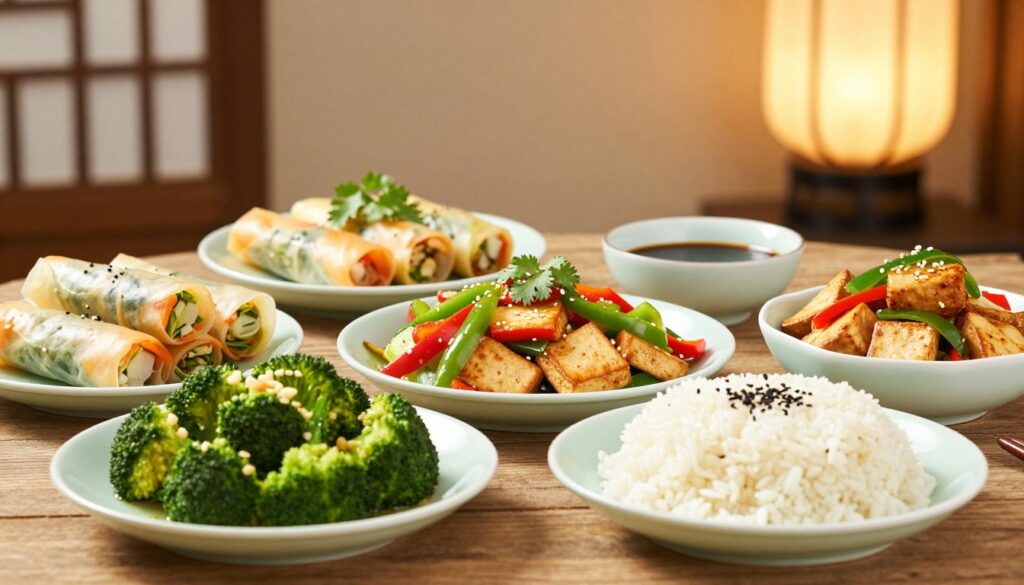
If you are craving a crunchy appetizer, consider choosing spring rolls over egg rolls. Spring rolls are typically made with a light rice paper wrapper, making them a much better choice among healthy chinese food options. Making these conscious decisions ensures that your takeout night remains a positive part of your balanced diet.
Preparing Authentic Chinese Cuisine at Home
Bringing the vibrant flavors of authentic Chinese cuisine into your own kitchen is a rewarding way to take charge of your nutrition. When you cook for yourself, you gain complete control over the quality of ingredients and the amount of seasoning used in every dish. This simple shift allows you to enjoy your favorite meals while maintaining a healthy, balanced lifestyle.
Stocking Your Pantry with Essential Healthy Staples
To create delicious meals with minimal effort, I recommend keeping a few key items on hand at all times. Fresh aromatics like ginger, garlic, and scallions form the flavor foundation for countless recipes. These ingredients provide a massive boost to your health without adding unnecessary calories or processed additives.
Beyond aromatics, you should stock low-sodium soy sauce, rice vinegar, and toasted sesame oil in your pantry. Having these staples ready means you can whip up a nutritious dinner in less time than it takes to order takeout. Consistency is the secret to making healthy eating a sustainable habit in your daily routine.
Utilizing Traditional Techniques for Healthier Results
Mastering traditional cooking methods is the best way to achieve restaurant-quality results at home. Stir-frying is a fantastic technique because it cooks food quickly, which helps to preserve the natural nutrients and vibrant colors of your vegetables. By using just a small amount of healthy oil, you can create a satisfying meal that is light and flavorful.
Steaming is another excellent method that requires no added fat, making it perfect for delicate proteins like fish or tofu. When you focus on these classic approaches, you honor the roots of authentic Chinese cuisine while keeping your meals light and nutritious. I find that these simple adjustments make a world of difference in how I feel after a meal.
Adapting Recipes for Gluten-Free and Dietary Needs
You do not have to sacrifice your favorite flavors just because you have specific dietary needs. I find that making small, intentional changes allows me to enjoy gluten-free chinese recipes without losing the authentic taste I crave. By taking control of your ingredients, you can ensure every bite aligns with your personal health goals.
Substituting Soy Sauce with Tamari or Coconut Aminos
Traditional soy sauce contains wheat, which can be a major hurdle for those avoiding gluten. Fortunately, there are excellent alternatives that provide that signature savory depth we all love in Asian cooking.
- Tamari: This is a fantastic gluten-free substitute that mimics the rich, salty profile of soy sauce perfectly.
- Coconut Aminos: If you prefer a slightly sweeter taste or need a soy-free option, this is a wonderful choice.
Using these swaps ensures your stir-fries and marinades remain safe for your digestive system. I always keep a bottle of tamari in my pantry to ensure I am ready to cook at a moment’s notice.
Creating Flavorful Sauces Without Thickening Agents
Many classic sauces rely on cornstarch or flour to achieve a glossy, thick texture. However, these thickeners can add unnecessary calories and gluten to your meal.
I prefer to focus on reducing my sauces over low heat to achieve a natural, concentrated flavor. This simple technique helps me prepare low calorie chinese dishes that are just as satisfying as the restaurant versions. You can also use these tips to keep your meals light and nutrient-dense:
- Use pureed vegetables to add body to your sauces instead of starch.
- Incorporate fresh aromatics like ginger and garlic to boost flavor intensity.
- Whisk in a small amount of sesame oil at the very end for a silky mouthfeel.
Balancing Flavors Without Relying on Sugar and Salt
I have found that the secret to delicious, healthy Chinese food lies in the power of aromatics and spices. Many home cooks mistakenly believe that removing sugar and salt will result in bland meals. In reality, you can create extraordinary depth by focusing on fresh, pungent ingredients that wake up your palate.
When I prepare lean proteins like chicken breast or white fish, I avoid heavy, sugary glazes. Instead, I rely on the natural essence of the ingredients to shine through. This approach ensures that every bite is both nutritious and deeply satisfying.
Using Aromatics Like Ginger, Garlic, and Scallions
Aromatics serve as the foundation for almost every authentic Chinese dish I make. By sautéing fresh ginger, minced garlic, and sliced scallions in a small amount of oil, I build a fragrant base that permeates the entire meal. This simple technique adds a bold, savory punch that eliminates the need for extra seasoning.
“The secret of great cooking is not in the complexity of the sauce, but in the harmony of the aromatics.”
I always keep these three staples in my kitchen. They provide a vibrant freshness that transforms simple vegetables and lean proteins into a restaurant-quality experience. You will find that this aromatic base is the most effective way to build flavor from the ground up.
Enhancing Taste with Vinegar and Chili Spices
Vinegar and chili spices are my go-to tools for effective sodium management. A splash of black vinegar or rice vinegar adds a bright, acidic brightness that balances the richness of a stir-fry. This acidity tricks the tongue into perceiving more flavor without requiring a heavy hand with the salt shaker.
If you crave heat, chili oil or fresh bird’s eye chilies provide a satisfying kick that makes your meal feel complete. By prioritizing these bold, natural flavors, you can maintain excellent sodium management while enjoying a diverse range of tastes. Experimenting with these spices allows you to customize the heat level to your personal preference every single time.
Planning Your Weekly Menu with Nutritious Chinese Meals
Consistency is the secret ingredient to enjoying healthy food every single day. I have discovered that when I map out my week in advance, I am far more likely to stick to my wellness goals. By organizing my kitchen routine, I ensure that I always have access to nutritious chinese meals that satisfy my cravings without compromising my health.
Creating a Balanced Meal Rotation
To keep my palate excited, I rely on a rotating schedule of diverse recipes. I try to alternate between different protein sources like lean chicken, white fish, and tofu to keep things interesting. This approach prevents me from getting bored and ensures I receive a wide range of essential vitamins and minerals.
I find that keeping a simple list of go-to recipes helps me avoid the temptation of ordering takeout. When I know exactly what I am eating on Tuesday or Thursday, I feel more in control of my nutrition. Variety is truly the spice of life, especially when you are trying to maintain a long-term healthy lifestyle.
Batch Cooking Tips for Busy Schedules
Batch cooking is my favorite strategy for surviving a hectic work week. I dedicate a few hours on Sunday to prep ingredients, which allows me to assemble low calorie chinese dishes in minutes during the week. Having pre-chopped vegetables and cooked grains ready in the fridge makes a world of difference.
I often steam large portions of broccoli and bok choy to add to my stir-fries later. By keeping my pantry stocked with staples like ginger, garlic, and low-sodium soy sauce, I can whip up a fresh meal even when I am exhausted. This method ensures that healthy, delicious food is always available when I need it most.
| Meal Type | Prep Strategy | Key Benefit |
|---|---|---|
| Proteins | Poach or steam in bulk | Saves cooking time |
| Vegetables | Wash and chop ahead | Increases fiber intake |
| Grains | Cook brown rice early | Ensures portion control |
| Sauces | Whisk in small jars | Avoids hidden sugars |
Conclusion
I hope this guide empowers you to make better choices when ordering or preparing your favorite meals. You now possess the tools to transform your dining habits into a source of vitality and joy.
Practicing mindful eating remains a powerful strategy for your long-term wellness. Using chopsticks to slow down your consumption helps you recognize fullness cues. This simple shift can lower blood sugar spikes and improve your digestion after a savory meal.
Focusing on fresh ingredients and balanced portions allows you to enjoy this cuisine as part of a sustainable lifestyle. You can savor the rich flavors of ginger, garlic, and scallions without compromising your health goals. Every meal is an opportunity to nourish your body while celebrating these traditional culinary arts.
I encourage you to experiment with these techniques in your own kitchen this week. Share your favorite healthy modifications with friends or family to inspire their own wellness journeys. Your commitment to quality ingredients will make every bite feel rewarding and delicious.
Did you like our article ?
FAQ
What are the best healthy chinese food options to order when eating out?
I always recommend looking for steamed dishes, such as steamed chicken and broccoli or steamed fish. These are excellent healthy chinese food options because they avoid the excess oils used in frying. Asking for the sauce on the side also allows you to control the calorie intake effectively.
How can I identify low calorie chinese dishes on a standard menu?
Look for keywords like “steamed,” “jum,” or “poached.” Avoid items described as “crispy,” “breaded,” or “sweet and sour,” as these are usually high in sugar and fats. Choosing vegetable-heavy dishes with lean proteins like shrimp or tofu is a great way to ensure you’re eating low calorie chinese dishes.
Are there gluten-free chinese recipes I can make at home?
Absolutely! The most important swap is using San-J Tamari or coconut aminos instead of soy sauce, which contains wheat. You can easily create gluten-free chinese recipes like beef and broccoli or shrimp stir-fry by using these substitutes and thickening your sauces with a little arrowroot powder instead of flour.
What makes authentic chinese cuisine different from typical takeout?
Authentic chinese cuisine focuses much more on the balance of flavors and the use of fresh chinese ingredients. Traditional dishes often feature a much higher proportion of vegetables to meat and rely on aromatics like ginger and garlic rather than heavy, syrupy sauces found in many Americanized takeout spots.
Can I find healthy takeout alternatives that still taste good?
Yes! My favorite healthy takeout alternatives include ordering Moo Goo Gai Pan or a Buddha’s Delight. These dishes are naturally lower in fat and packed with vegetables. If you crave flavor, ask for extra garlic or chili sauce to give the dish a kick without adding unnecessary calories.
How can I build a health-conscious chinese menu for my family?
Start by choosing one lean protein, such as steamed fish or chicken, and pairing it with at least two vegetable sides like sautéed bok choy or snap peas. Replace white rice with brown rice for added fiber. This creates a balanced, health-conscious chinese menu that is both filling and nutritious.
What are some delicious and healthy chinese dishes for vegetarians?
Tofu and edamame are fantastic options. Steamed tofu with mixed vegetables or a spicy Szechuan bean curd dish (with light oil) are delicious and healthy chinese dishes that provide plenty of plant-based protein and fiber.
How do I ensure I’m eating nutritious chinese meals when I’m short on time?
I suggest batch-cooking staples like brown rice and steamed greens. You can quickly toss them with some pre-marinated protein and a splash of low-sodium soy sauce for a nutritious chinese meal in under ten minutes.